
About this portfolio

SEO

100 words

  • Unity
  • Multiplayer
  • LiveOps
  • C#

Leonardo Lycan is a Lead Game Developer specializing in Unity game development, multiplayer architecture, gameplay systems, LiveOps, and technical production. This portfolio brings together published projects, playable prototypes, product studies, and articles on game engineering, applied AI, Web3, onboarding, and digital experiences. The work combines team leadership, C# programming, service integration, performance optimization, and clear communication across design, art, and business. For projects, consulting, or collaboration, Leonardo takes a practical approach: understand the problem, build a robust solution, and turn complex requirements into memorable experiences for players and digital products with measurable, lasting impact for teams, audiences, and product goals.

Skills · 09

Technical Leadership & Assessment

Diagnosis, technical direction, observability and recovery planning for teams that need to move with clarity.

  • Risk and dependency mapping
  • Priorities, observability and tooling
  • Decision records and recoverability
Technical Leadership & Assessment
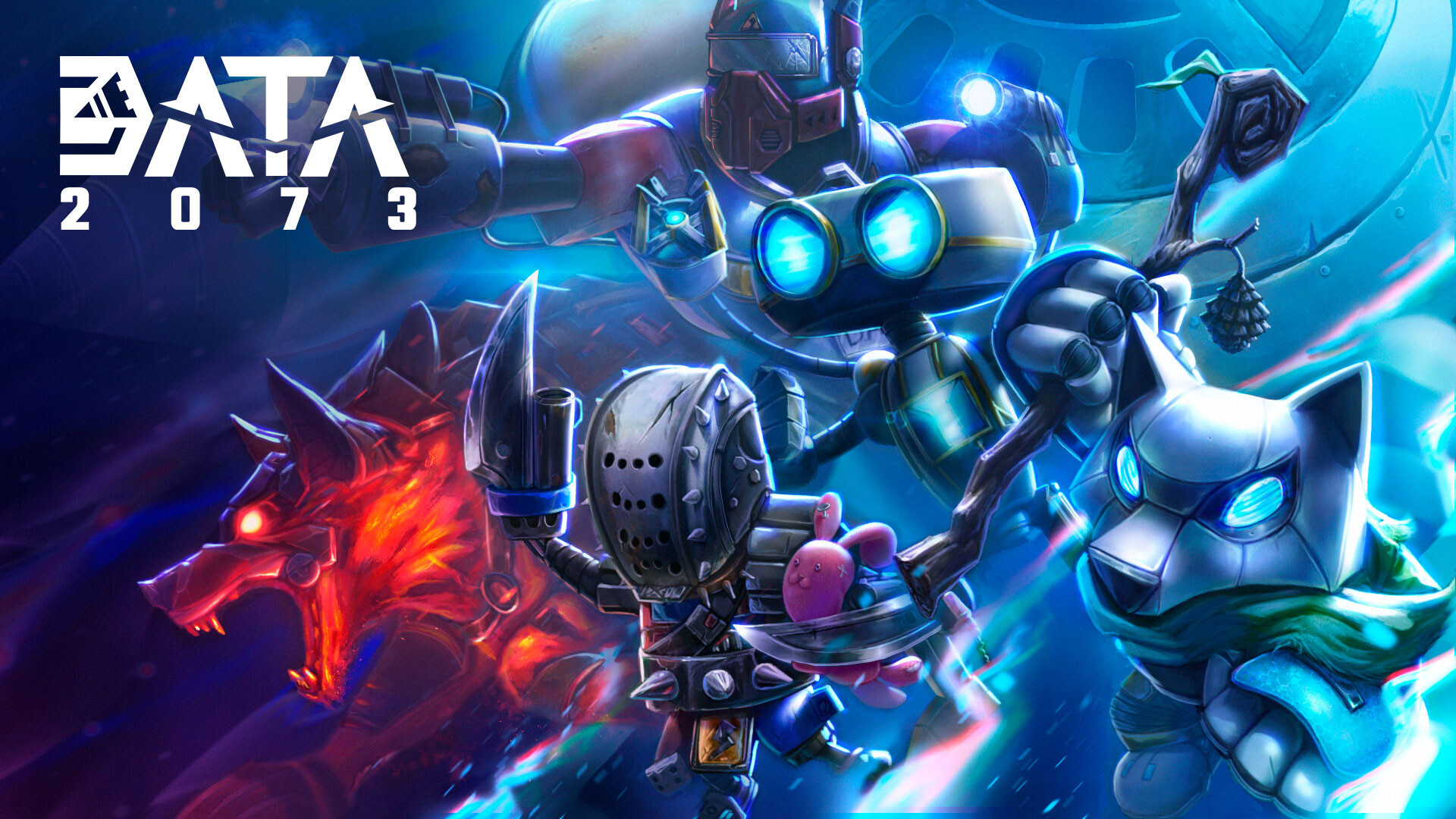
EvidenceThree years evolving a connected RPG, multiplayer pre-production leadership and continuous product systems in DATA2073.

Leadership that reduces uncertainty

A useful assessment connects architecture, production flow, evidence and player impact. The outcome is not a generic best-practices list, but an order of decisions the team can execute and verify.

Experience in long-running and unstable contexts

CryptoFights demanded continuous evolution across gameplay, services and releases for more than three years. In Triple Z, technical leadership organizes multiplayer, gameplay, diagnostic paths and tools during pre-production. In DATA2073, product and LiveOps systems must grow without fragmenting the experience or making operations opaque.

What I deliver

A bounded risk and dependency map, recorded decisions, observable failure paths, playable slices when required and an incremental plan that separates urgent correction, structural investment and process improvement. When legacy work is part of the problem, the assessment also distinguishes source, executable, evidence and context; the project-preservation protocol shows that recovery standard.


Building something with this challenge?

Let’s turn the risk into a playable slice.

See related projects