


About this portfolio

SEO

100 words

  • Unity
  • Multiplayer
  • LiveOps
  • C#

Leonardo Lycan is a Lead Game Developer specializing in Unity game development, multiplayer architecture, gameplay systems, LiveOps, and technical production. This portfolio brings together published projects, playable prototypes, product studies, and articles on game engineering, applied AI, Web3, onboarding, and digital experiences. The work combines team leadership, C# programming, service integration, performance optimization, and clear communication across design, art, and business. For projects, consulting, or collaboration, Leonardo takes a practical approach: understand the problem, build a robust solution, and turn complex requirements into memorable experiences for players and digital products with measurable, lasting impact for teams, audiences, and product goals.

Production case

Radgear

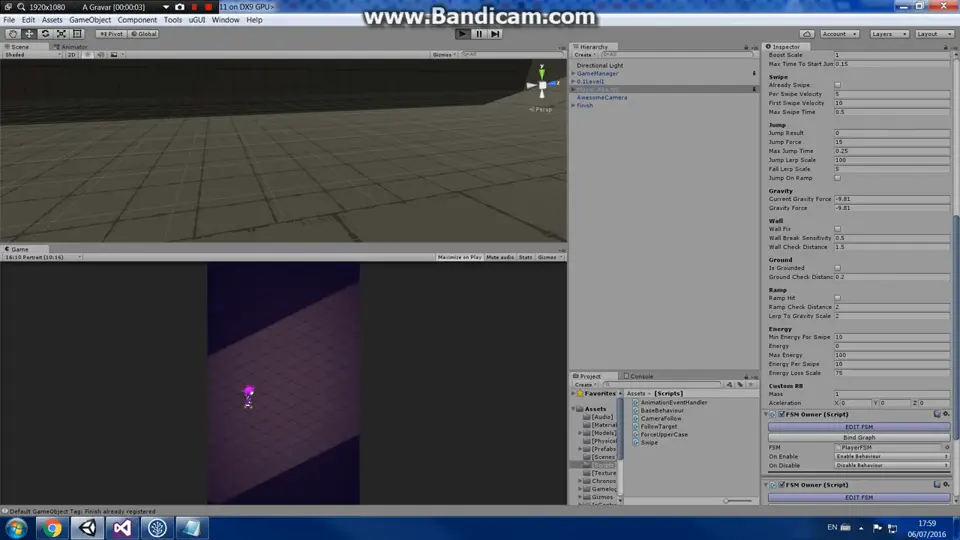
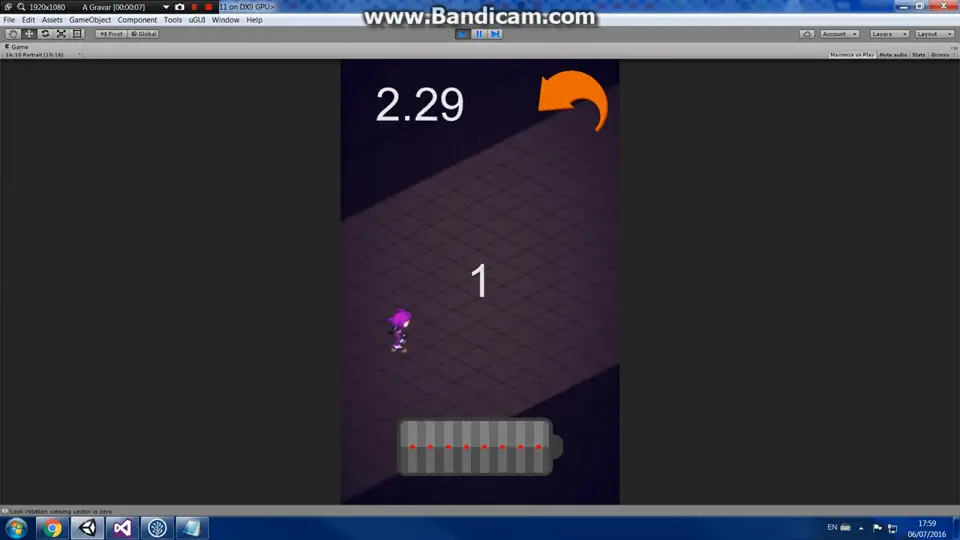
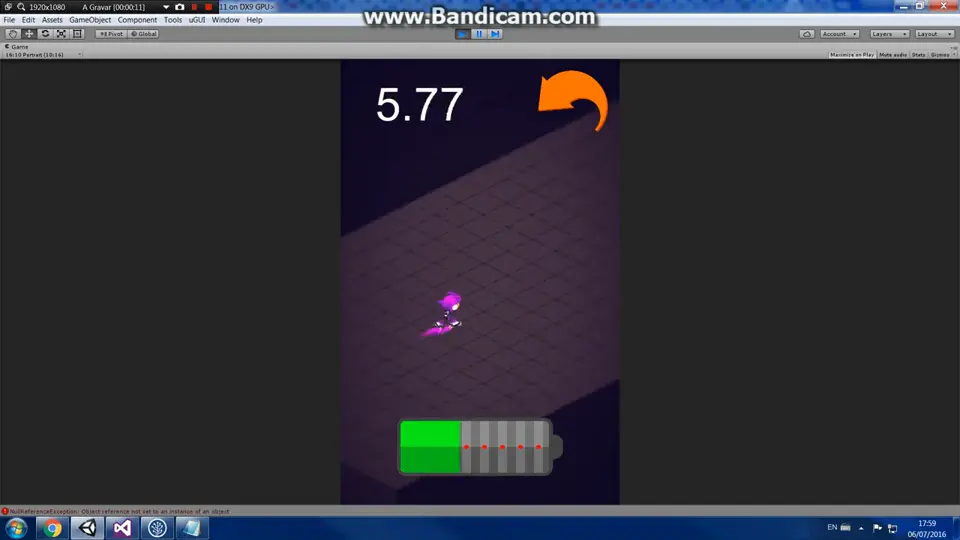
A mobile skating prototype created at Demerara Games, controlled by short swipes that turn every gesture into a change of direction. The intuitive touch-based control scheme translates finger movements directly into fluid skating maneuvers, capturing the rhythm and momentum of real skating through responsive gestural input and kinetic visual feedback.

Explore the case
ClientDemerara Games
PeriodPrototype phase
RoleTouch controls and gameplay prototyping
PlatformsMobile
01

Challenge

Make skating feel immediate on a phone without relying on a virtual joystick or a heavy interface.

02

Solution

Map swipes to quick direction changes, test the rhythm in short sessions and keep visual feedback centered on the character.

03

Outcome

A functional prototype preserved in recordings. A later version was completed but is not included because its final files have not been located.

Visual research · exploratory concept

From gesture to urban route

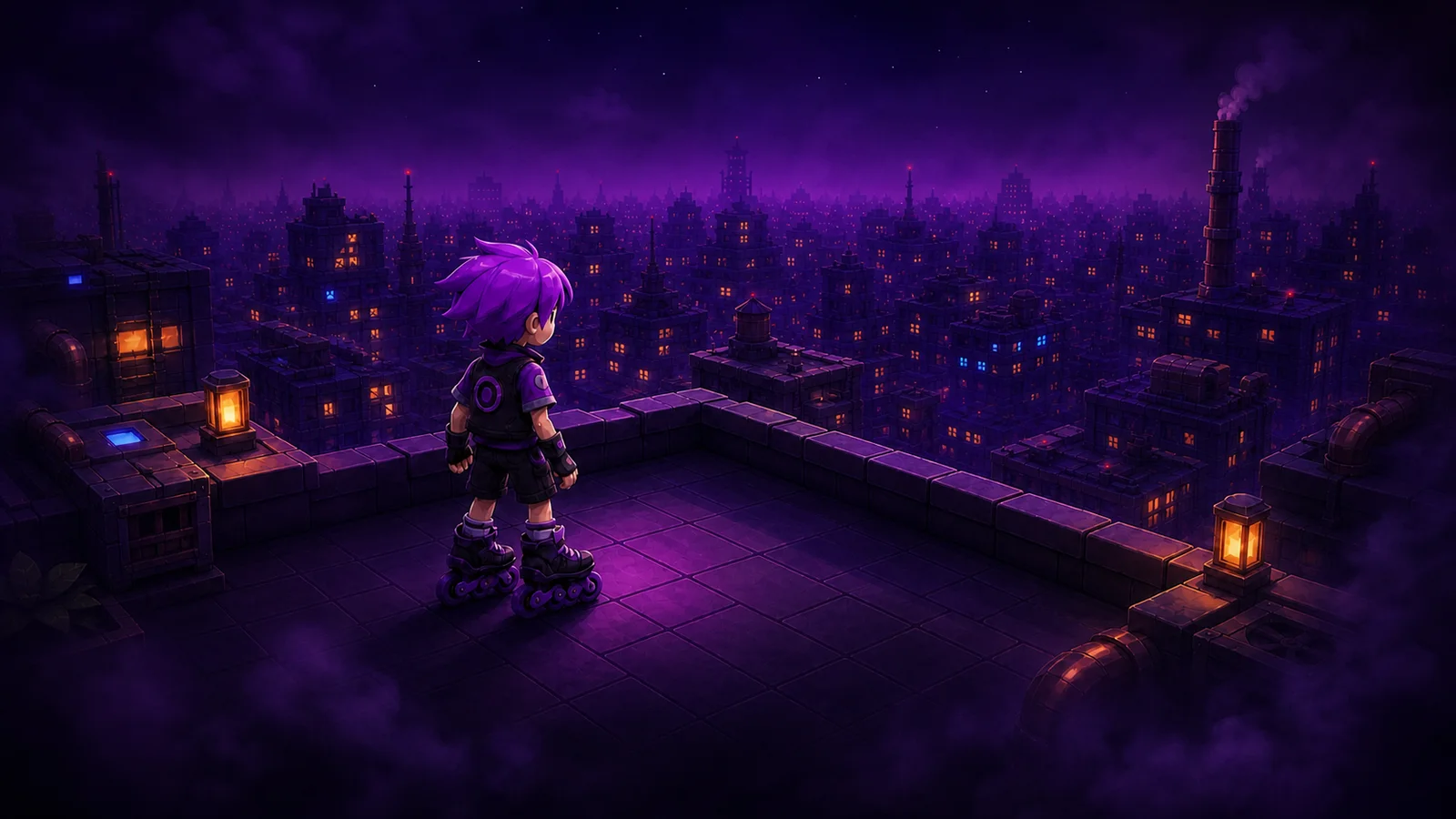
The prototype proves swipe responsiveness. This research projects that mechanic onto near-future rooftops in a cartoon low-poly language without presenting the expansion as an already completed playable stage.

Preserved prototypeConcept exploration
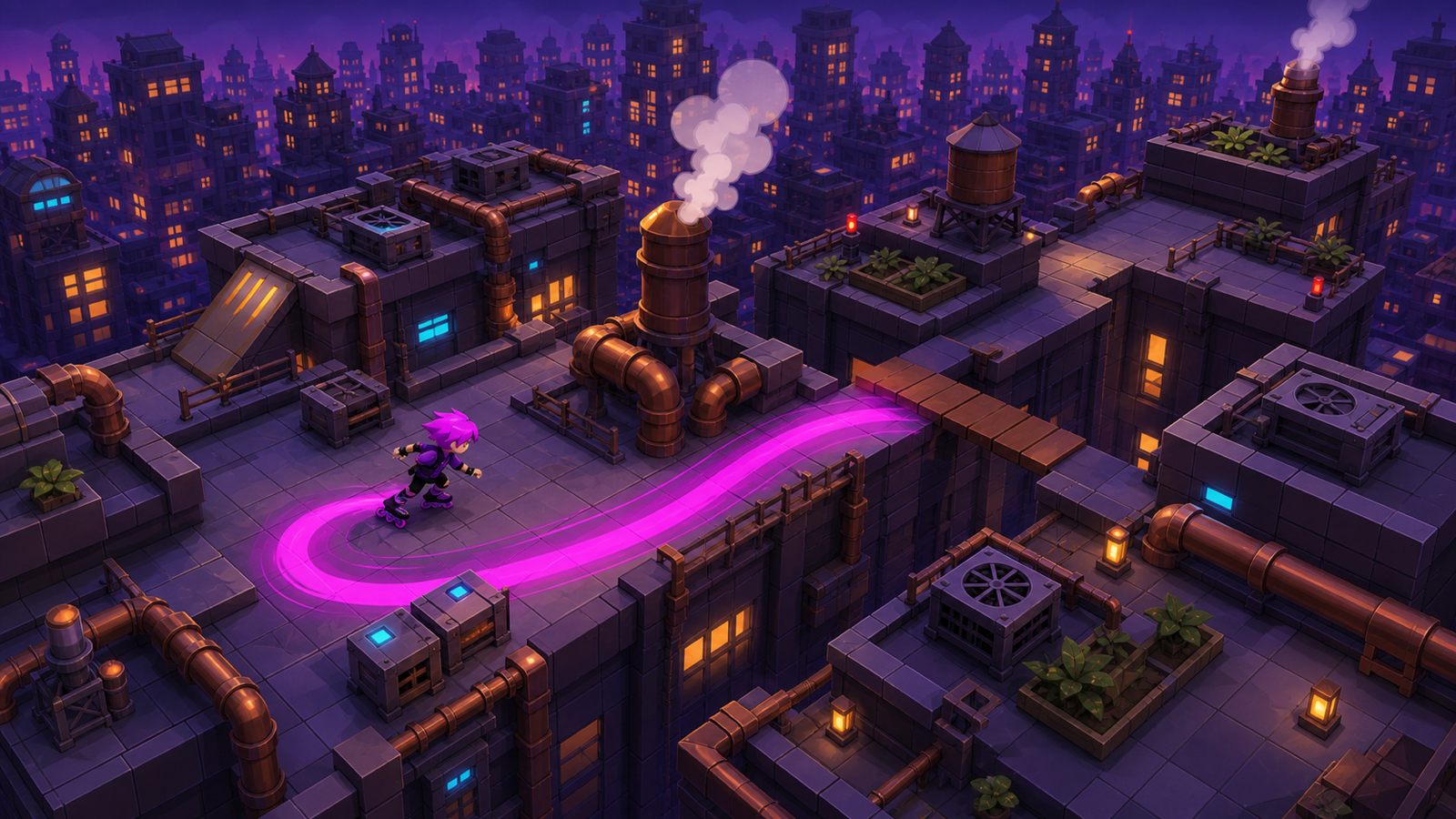
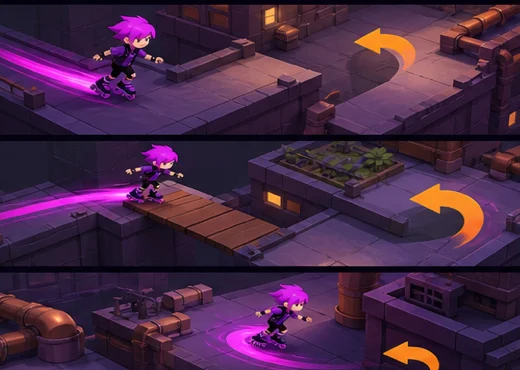
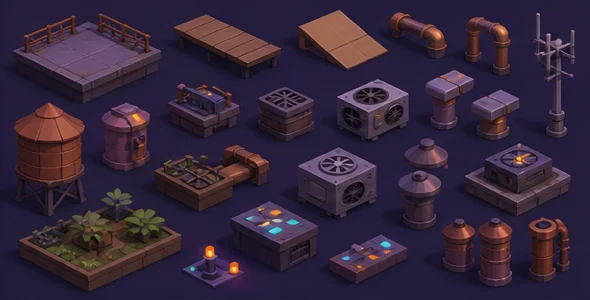
  1. Studies of isometric rooftop routes, ramps, bridges, pipes and skyline.

    01 · Route

    Build the route

    Isometric blocks combine rooftops, bridges, ramps and gaps into short routes. Pipes, water towers and gardens create landmarks without sacrificing mobile readability.
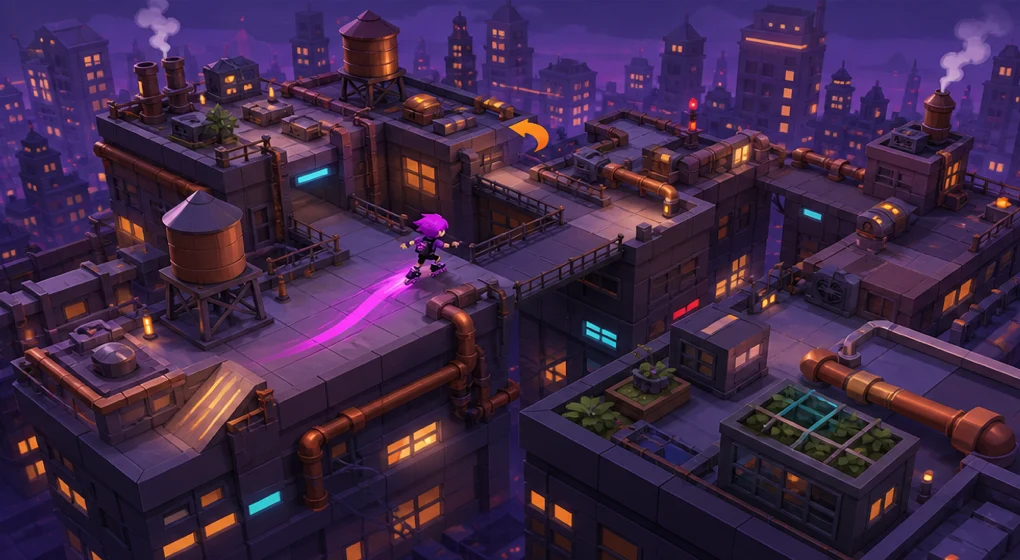
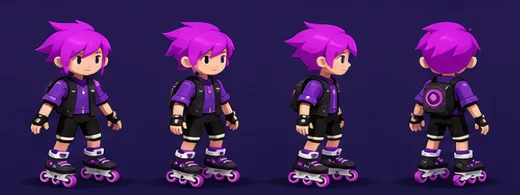
  2. Turnaround and pose studies for turns, jumps and quick direction changes.

    02 · Movement

    Anchor speed and balance

    The skater keeps cartoon low-poly proportions and magenta hair. Turn, jump and recovery poses seek immediate readability while the trail shows direction and intensity.
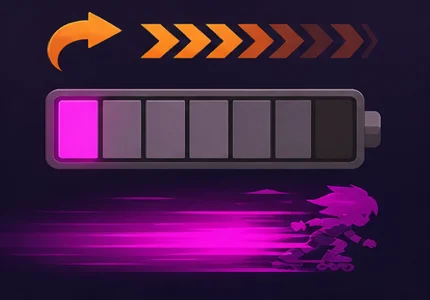
  3. Studies of gestures, speed trails, charge and rooftop route flows.

    03 · Feedback

    Translate the swipe

    Arcs, arrows, magenta trails and a compact charge state connect the player gesture to character response. The system explains speed without relying on a heavy interface.
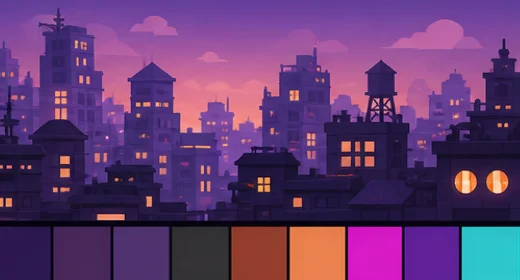
  4. 04 · Synthesis

    Unite city and speed

    The final direction turns swipes into a clear, energetic urban-traversal fantasy. It is a cartoon low-poly final-pass proposal, not a literal reconstruction of the lost build.
Concept key art of the skater leaving a magenta trail across near-future city rooftops.
Concept vision

Proposed direction for a future final pass — not captured final gameplay.

Movement through gesture

Radgear explores skating on mobile without a virtual stick. Short swipes change the character direction, making route reading and timing the center of the interaction.

A prototype built at Demerara

The preserved material documents the prototype phase: touch input, movement response and the first visual language. It is useful because it shows the mechanic before production polish obscures the experiment.

A clear evidence boundary

A more complete version existed, but its final project files are not currently available. This case intentionally presents only the build and recordings that can be verified.
Inside Radgear

01

Risk

What could fail?

Make skating feel immediate on a phone without relying on a virtual joystick or a heavy interface.
02

Decision

What changed the direction?

Map swipes to quick direction changes, test the rhythm in short sessions and keep visual feedback centered on the character.
03

System

What can the team reuse?

A foundation built with Unity, C#, Touch Input to support iteration and delivery.
04

Outcome

What became better?

A functional prototype preserved in recordings. A later version was completed but is not included because its final files have not been located.
Technologies

Unity · C# · Touch Input

Links

Available on request

Closure

What this project leaves.

A functional prototype preserved in recordings. A later version was completed but is not included because its final files have not been located.