
Ownership needs a gameplay consequence
Web3 and NFTs become part of the product only when acquiring, claiming or owning an asset changes something players understand: build a deck, equip a fighter, complete a collection or enter another competitive decision. Infrastructure should not become the first obstacle in onboarding.
From digital asset to playable inventory
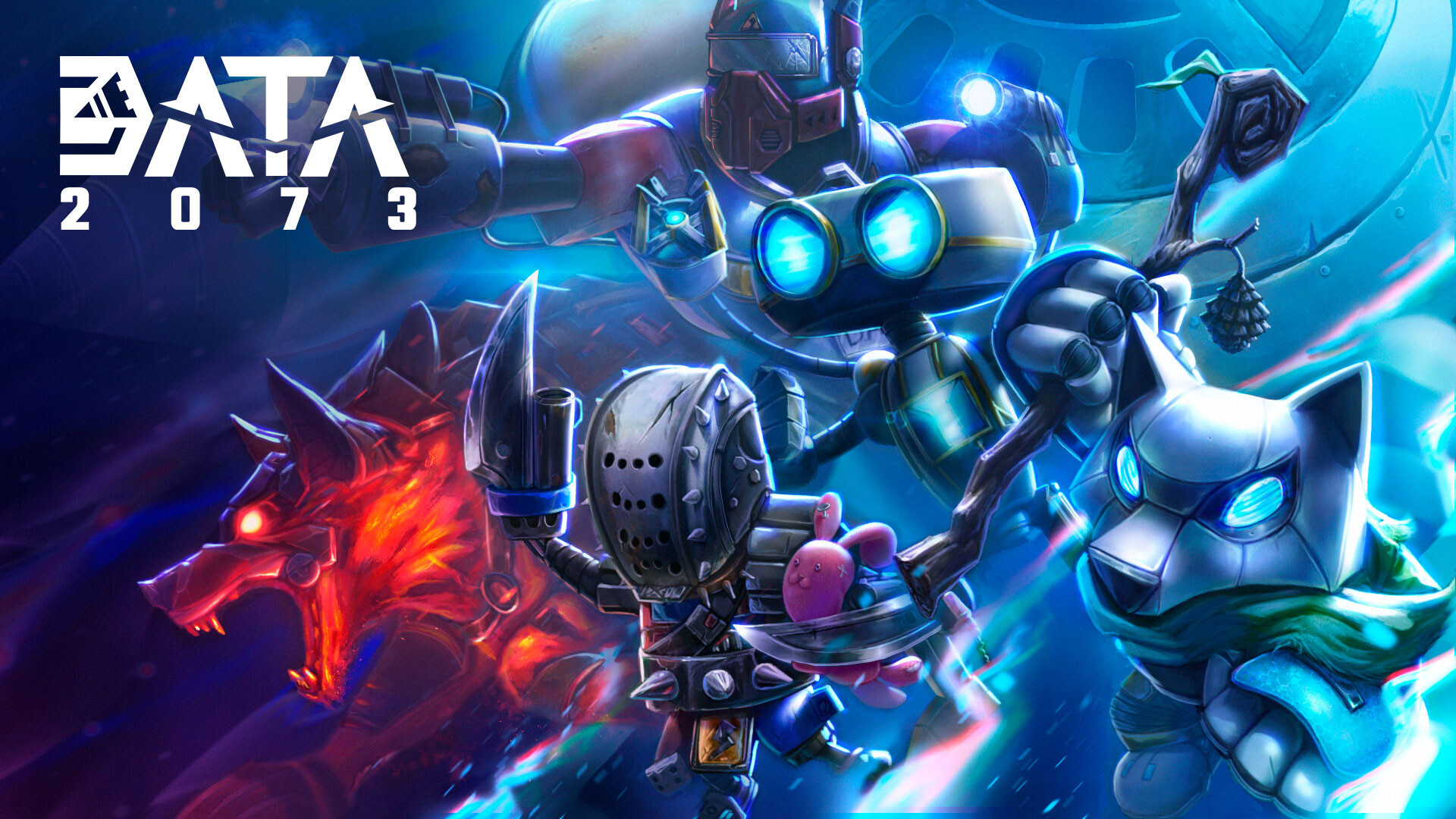
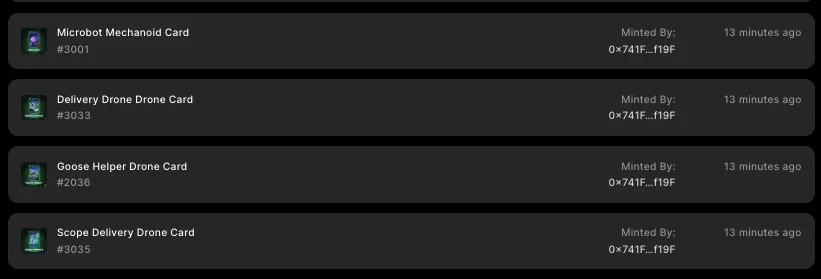
In DATA2073, NFT booster packs, Mystery Boxes, rarity, minting, marketplace, inventory and deck building belong to one product flow. In CryptoFights, on-chain equipment and fighters extend progression inside a competitive multiplayer RPG. In both, the hard problem is consistency across external confirmation, local inventory and the action the player expects next.
How I work
I introduce gameplay value before identity or wallet friction, model transactions as explicit states and keep recovery legible when services fail. Wallet, inventory, economy and game must tell one consistent story from acquisition to use. Web3 Without Blocking Onboarding and From Mystery Box to Playable Card document these two sides of the work.