
Digital ownership becomes a product feature only when it changes what the player can do next. A token can be technically valid and still feel detached if acquiring it leads to a wallet page, a block explorer or a collection with no meaningful return to play.
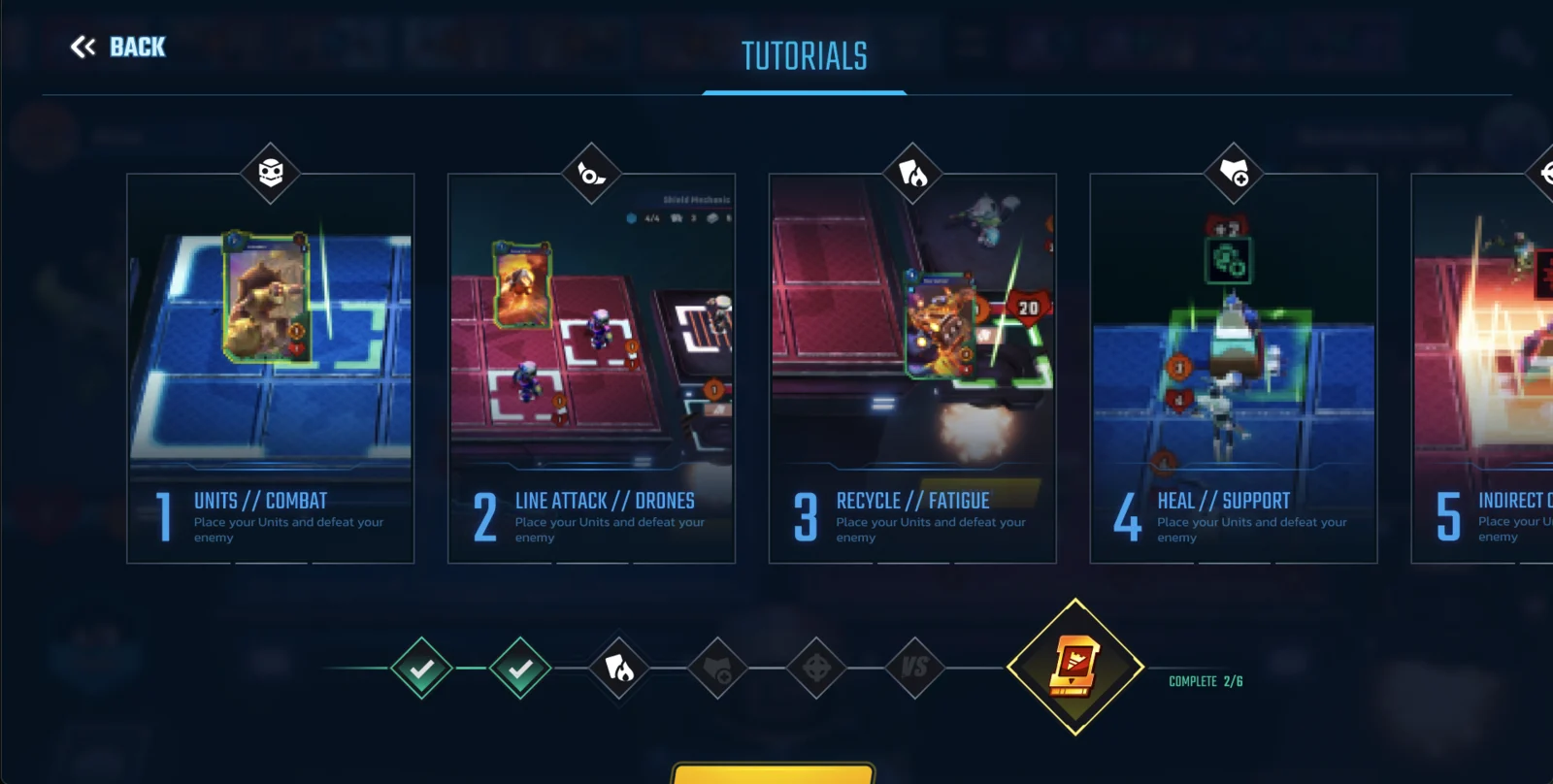
DATA2073 offers a more useful frame. Its Web3 layer sits beside a tactical card battler with more than 100 characters, deck building, progression and recurring LiveOps. The important question is therefore not “where do we add an NFT?” but “which player decision becomes more valuable because this asset can be earned, owned and used?”
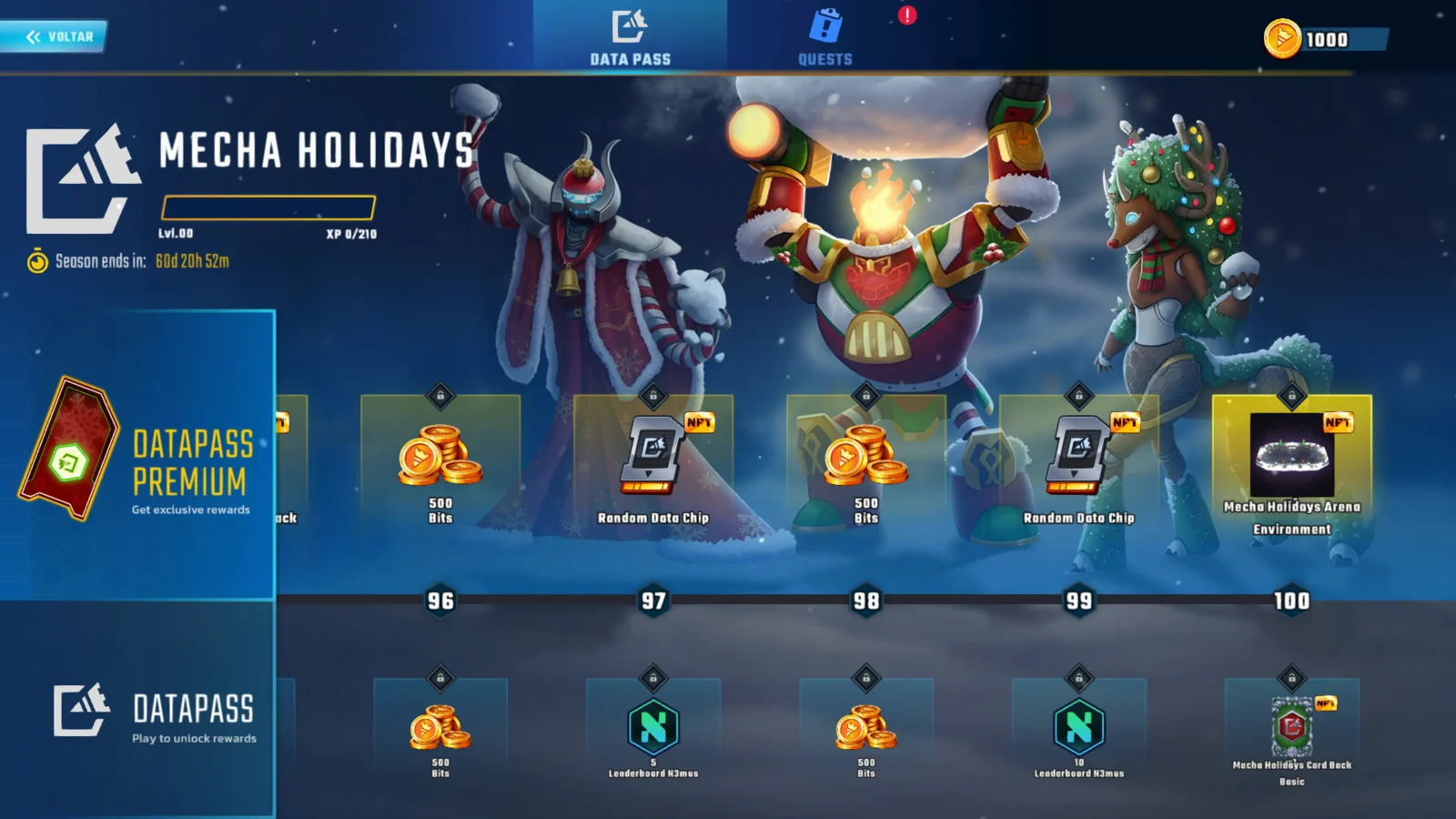
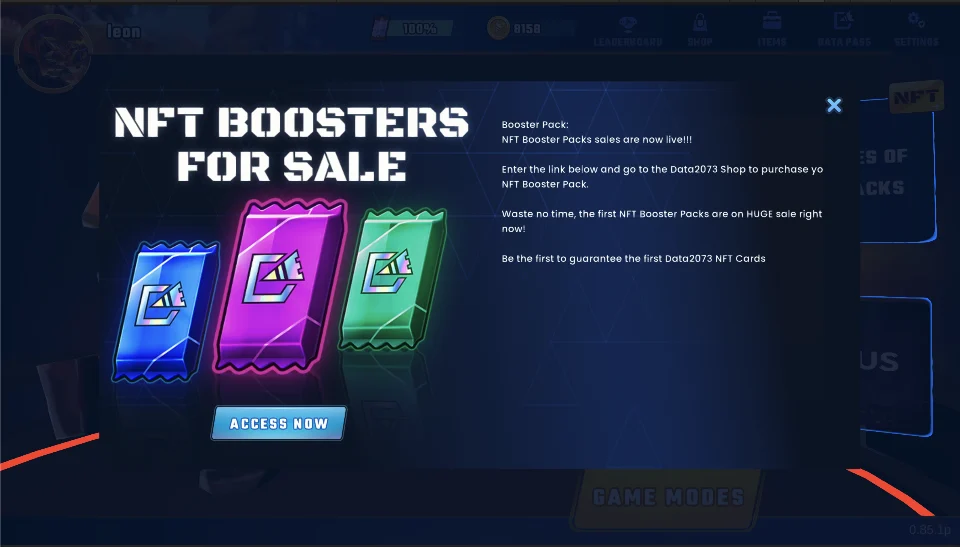
Mystery Boxes make that relationship visible. They can begin as a seasonal reward, resolve into cards with different rarities, enter the player’s inventory and eventually participate in collection or deck decisions. The box is not the feature by itself. It is a bridge between clocks, economies and states.
Ownership needs a complete product loop
The player experiences one journey even when several systems participate:
| Moment | Player question | Product responsibility |
|---|---|---|
| Discover | Why does this reward matter now? | Connect the offer or objective to a recognizable use. |
| Acquire | What did I earn or buy? | Make eligibility, cost and ownership terms explicit. |
| Open | What can this contain? | Explain rarity, probability boundaries and the reveal. |
| Confirm | Where is my reward? | Reconcile transaction, inventory and ownership states. |
| Use | What can I do with it? | Return the asset to deck building, collection or play. |
This sequence is the real integration surface. The game can use different services behind each step, but the player should not have to reconstruct the story from several products.
Mystery Boxes connect LiveOps to permanent value
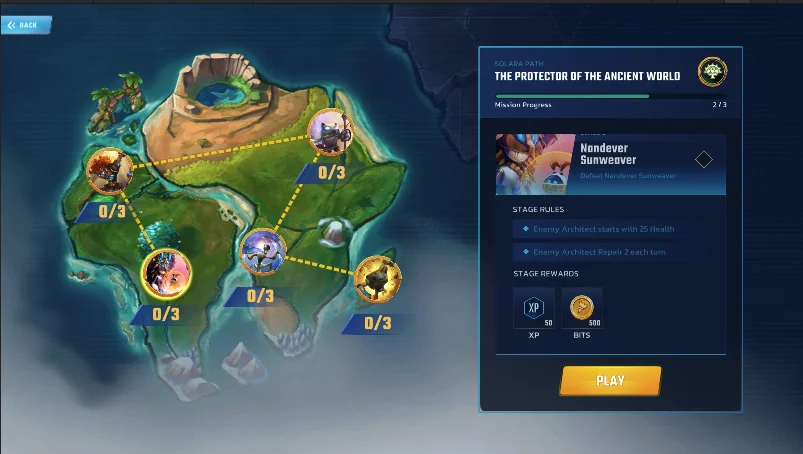
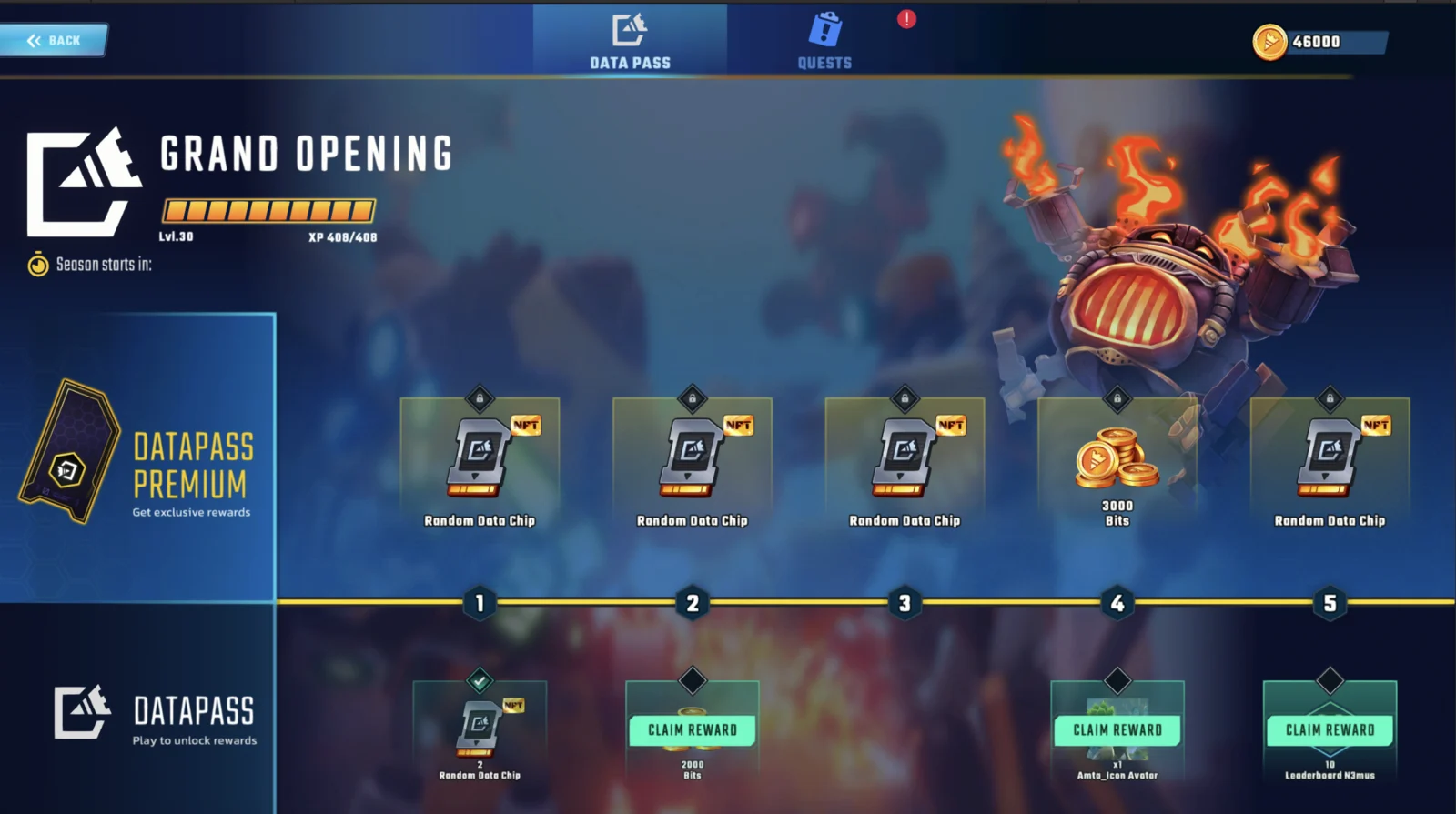
A Mystery Box can be earned in a quest, pass, event, leaderboard or purchase. That makes it a LiveOps object before it becomes an NFT object. The current cadence creates the reason to acquire it; the permanent collection creates the reason to care after the event ends.
Opening the box then crosses several conceptual boundaries:
- confirm that the player can use the box;
- consume the correct entitlement only once;
- resolve rarity and select a valid reward;
- grant the asset to inventory;
- confirm any ownership state that persists beyond the session;
- expose the new card where it can affect a deck or another match.
These are not implementation instructions. They are the promises the product makes. If any handoff is ambiguous, the reward can feel missing, duplicated or decorative even when every individual service behaved as designed.
The same principle strengthens the three-clock LiveOps model: a temporary event should return something meaningful to permanent progression, collection or competition. Mystery Boxes are one concrete way to make that handoff visible.
Hide infrastructure, not ownership
DATA2073 uses the Sequence ecosystem to support wallet and transaction experiences inside the product. The provider matters less than the design rule: blockchain infrastructure should stay quiet until the player needs to understand ownership, cost, confirmation or recovery.
As discussed in Web3 without blocking onboarding, forcing wallet concepts into the first session makes the infrastructure compete with the game. Embedded account flows and sponsored interactions can defer that complexity. They do not remove the need for a readable contract later.
When a player claims, opens or mints an asset, the interface still needs to answer:
- is the action pending, confirmed or recoverable?
- was the box consumed?
- which reward entered the inventory?
- does the asset have gameplay, collection or ownership utility?
- what should the player do next?
The best Web3 UX does not pretend that nothing happened. It reveals the right state at the moment that state becomes useful.
Wallet, inventory and game state must tell one story
Distributed ownership creates several sources of truth with different timing. A transaction can be submitted while the game is still waiting for confirmation. An ownership record can exist before the inventory has refreshed. A retry can repeat a request that already succeeded.
The product therefore needs explicit, recoverable states rather than one optimistic success screen. The player-facing contract can remain simple:
pending → confirmed → visible in inventory → usable in play
Failures need an equally clear path: retry, reconcile or restore without granting twice. This is where Web3 integration becomes a game-system concern rather than a marketplace attachment.
Measure the return to play
Transaction volume alone cannot show whether ownership improved the game. More useful handoffs include:
- Mystery Box acquired → box opened;
- box opened → reward confirmed;
- reward confirmed → card inspected or added to a deck;
- owned asset added to a deck → deck used in a match;
- seasonal reward claimed → player returns after the event closes.
These transitions reveal whether digital ownership creates another meaningful decision or ends in a dead collection screen.
What the case demonstrates
DATA2073 demonstrates a product structure capable of connecting LiveOps rewards, Mystery Boxes, rarity, inventory, wallet-aware flows and playable card utility. CryptoFights provides a second production context in which on-chain equipment and fighters belong to a persistent competitive RPG economy.
Neither case, by itself, proves that NFT ownership increases retention, conversion or revenue. Those outcomes require cohort data and experiments. The defensible lesson is narrower and more useful: Web3 earns its place in a game when acquisition, ownership and utility form one legible loop.