


About this portfolio

SEO

100 words

  • Unity
  • Multiplayer
  • LiveOps
  • C#

Leonardo Lycan is a Lead Game Developer specializing in Unity game development, multiplayer architecture, gameplay systems, LiveOps, and technical production. This portfolio brings together published projects, playable prototypes, product studies, and articles on game engineering, applied AI, Web3, onboarding, and digital experiences. The work combines team leadership, C# programming, service integration, performance optimization, and clear communication across design, art, and business. For projects, consulting, or collaboration, Leonardo takes a practical approach: understand the problem, build a robust solution, and turn complex requirements into memorable experiences for players and digital products with measurable, lasting impact for teams, audiences, and product goals.

Production case

Stylized Action Prototype

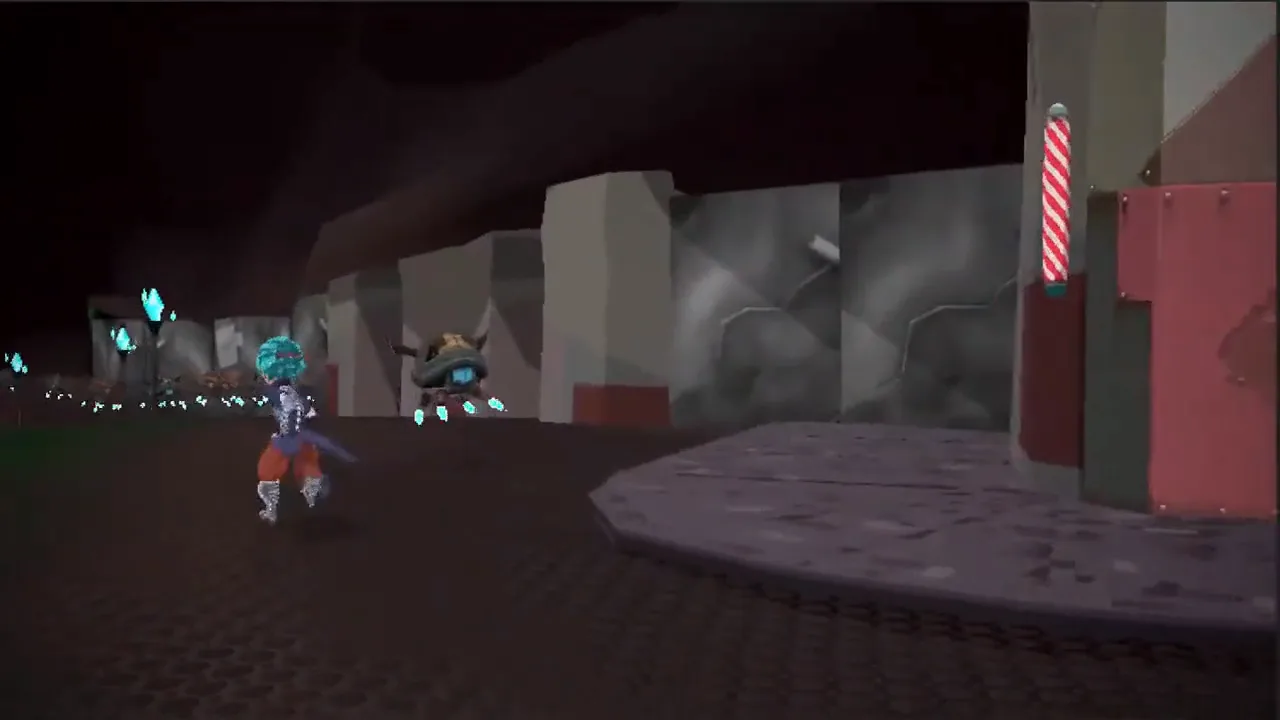
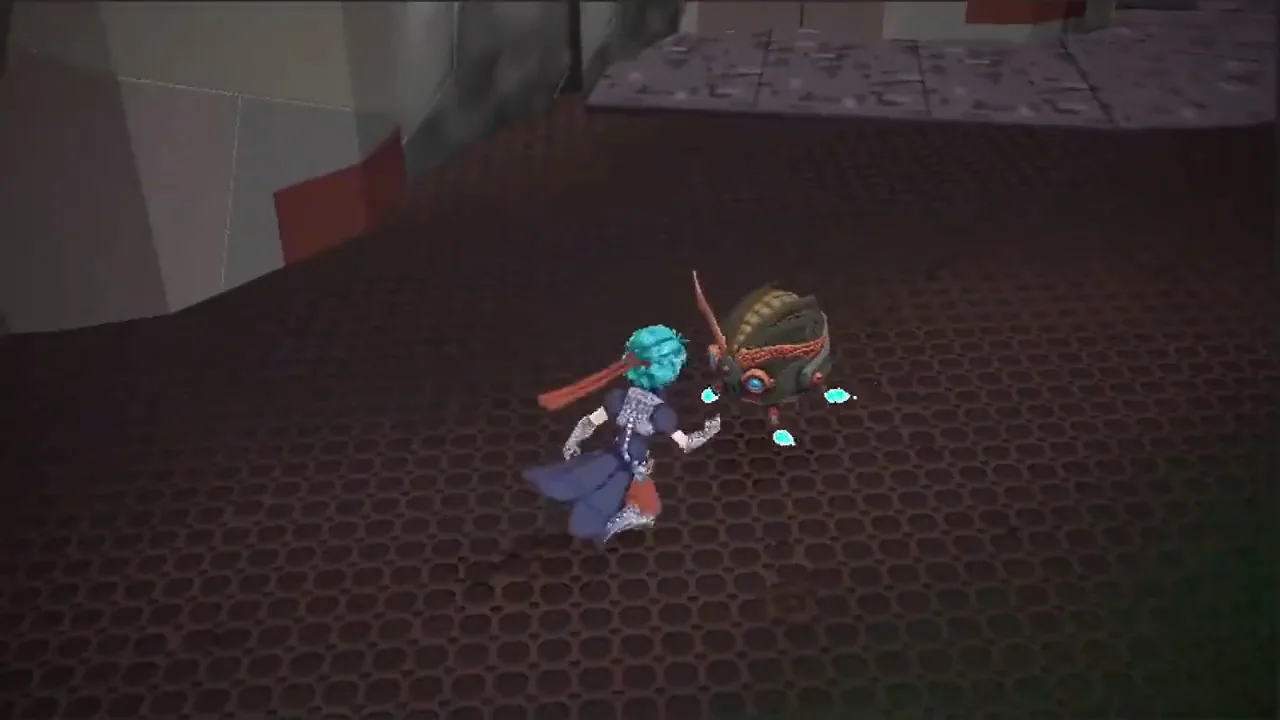
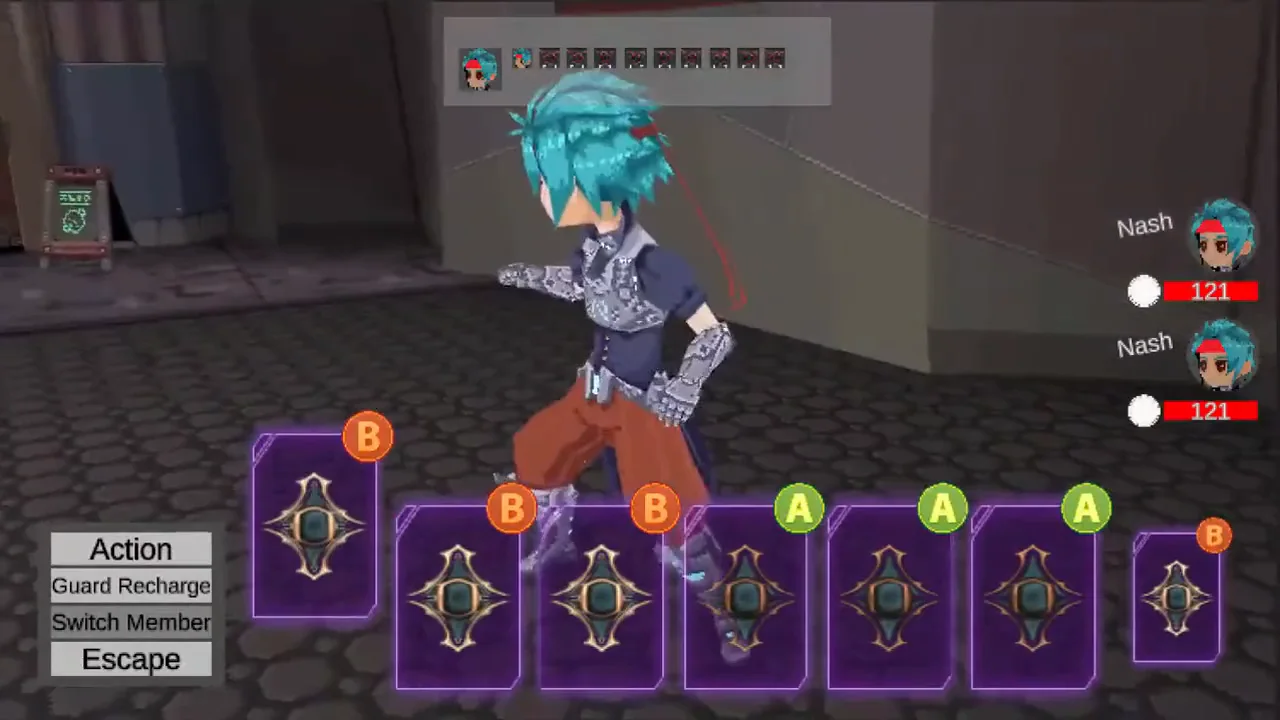
A JRPG prototype combining exploration, fixed cameras per area and a card system built around creating combos. Cinematic camera angles reminiscent of classic survival horror guide the player through hand-crafted environments, while the layered card combat system rewards creative deck building with devastating chain reactions and spectacular finishing moves.

Explore the case
ClientIndependent client
PeriodPrototype phase
RoleGameplay, camera and combat prototyping
PlatformsPC
01

Challenge

Connect 3D exploration and card combat without losing spatial orientation or turning combos into an opaque sequence.

02

Solution

Switch cameras as the player crosses areas, following classic survival-horror staging, and structure cards so successive combinations create their own effects.

03

Outcome

A playable slice with world movement, camera transitions and the foundation of a combinable card system.

Visual research · exploratory concept

From prototype to visual direction

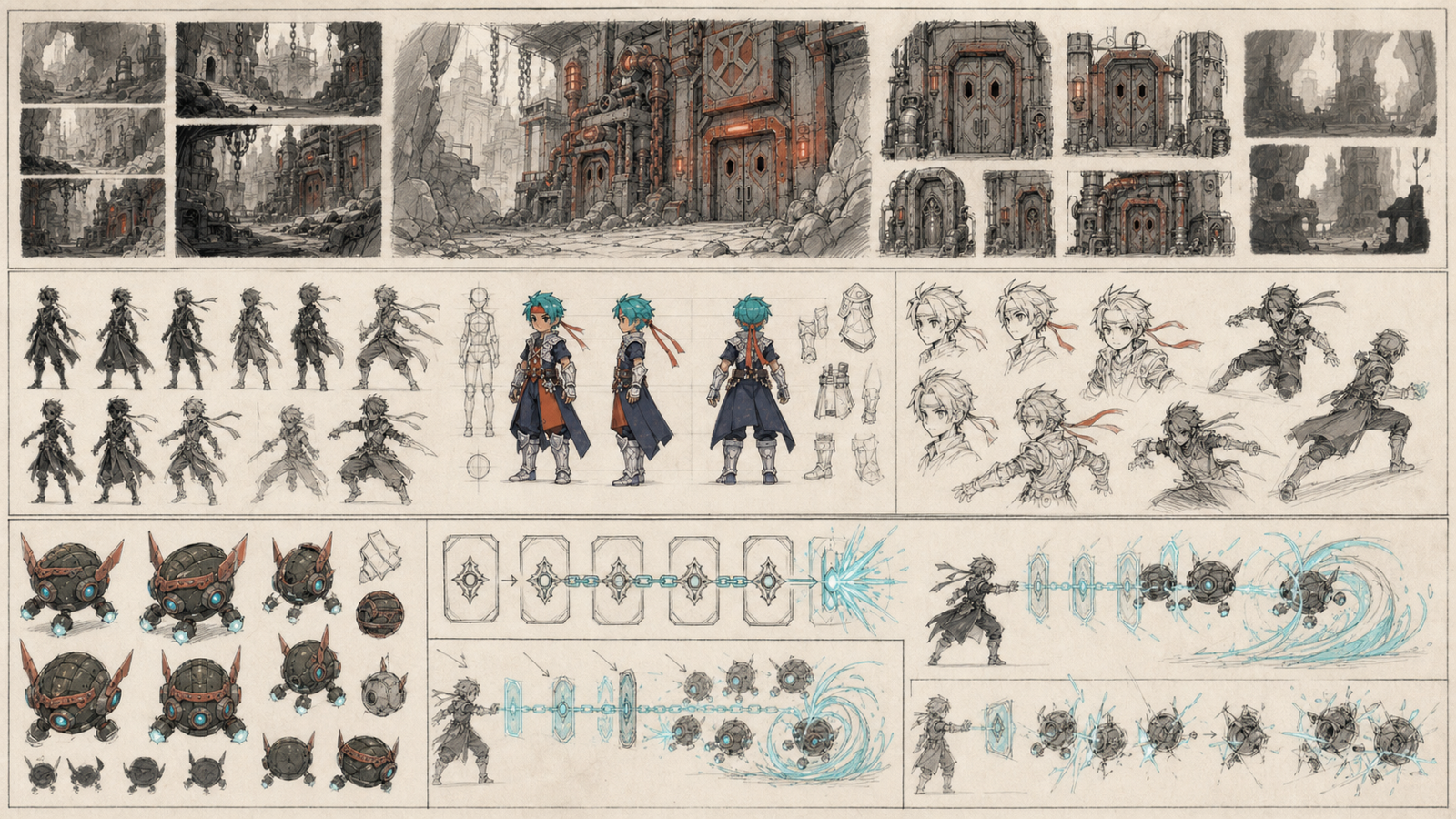
Playable evidence remains in the reel and captures. The sequence below presents one possible visual evolution — studies first, decisions next and the assembled vision at the end.

Preserved prototypeConcept exploration
  1. Concept studies for environments, industrial doors and camera framing.

    01 · Space

    Compose the world

    The prototype already validated area-based cameras. These studies expand that foundation into frames that guide exploration, using rock, red metal and cyan depth as visual landmarks.
  2. Silhouette, proportion, pose and turnaround studies for the character.

    02 · Silhouette

    Lock the hero and threat

    Proportion and pose variations seek immediate readability at a distance. The hero keeps teal hair and layered navy and orange clothing; enemies converge on round volumes and cyan energy.
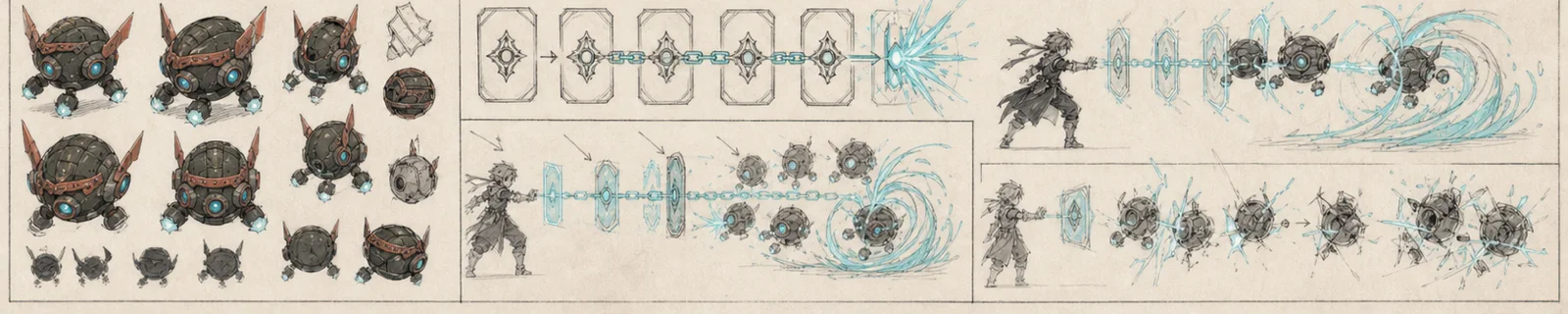
  3. Enemy, chained-card and combo-effect studies.

    03 · System

    Give the combo a shape

    The card sequence stops reading like a command list and starts building an action. Chains, gates and energy arcs make cause, progression and outcome visible.
  4. 04 · Synthesis

    Assemble the direction

    The fragments form a coherent vision for a possible final pass. This is conceptual research: it communicates visual intent without claiming these assets or systems reached a final build.
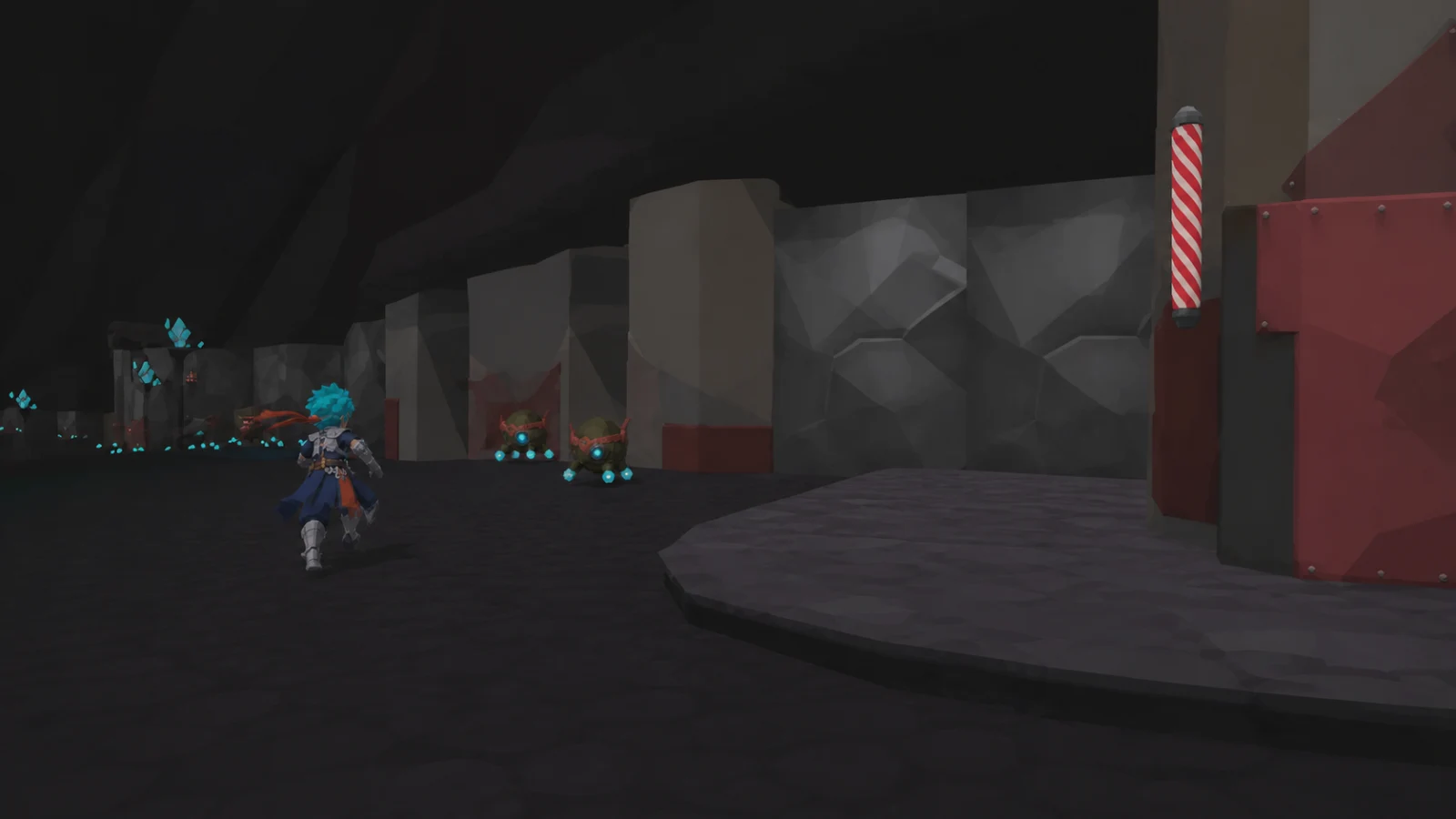
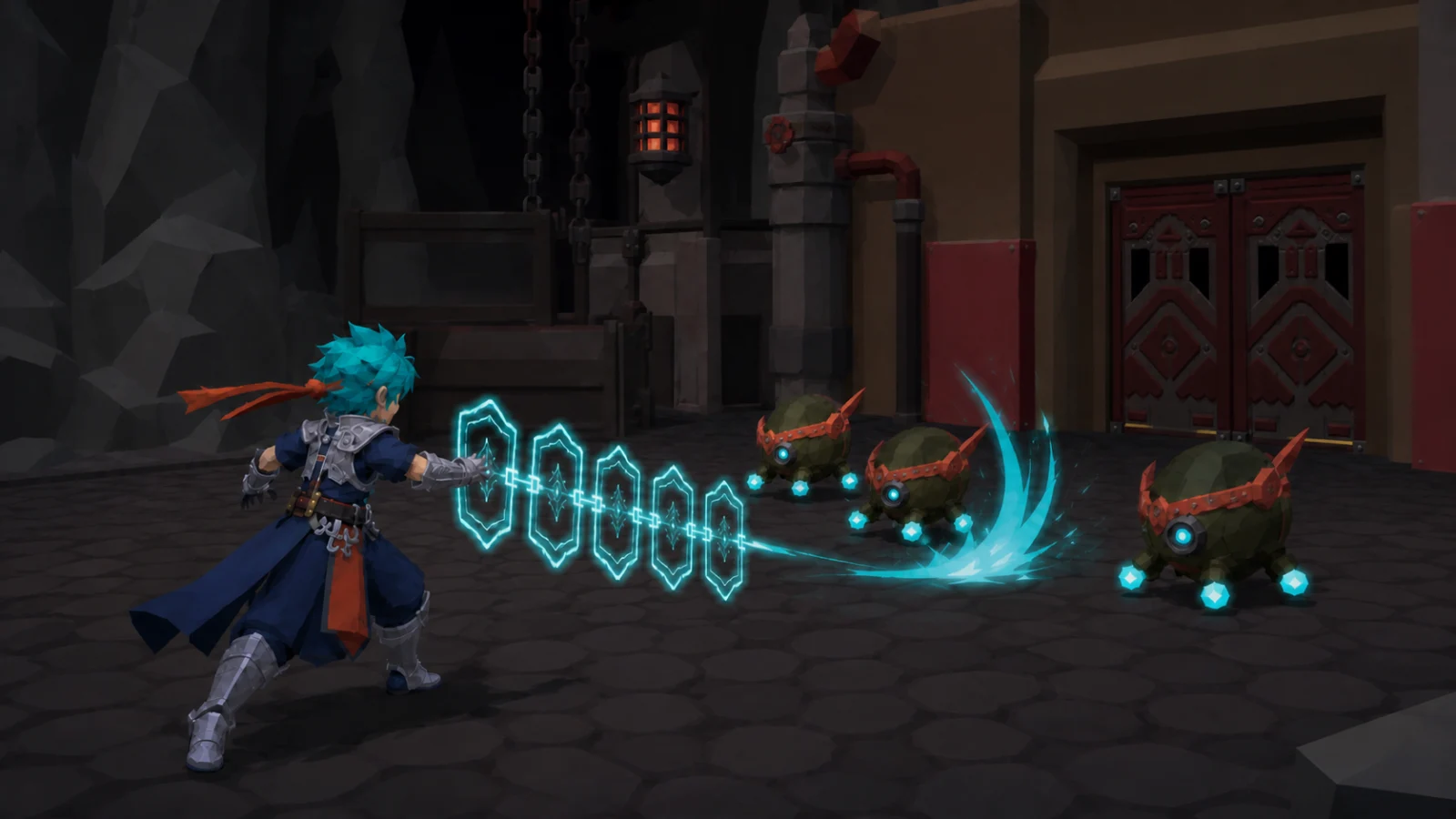
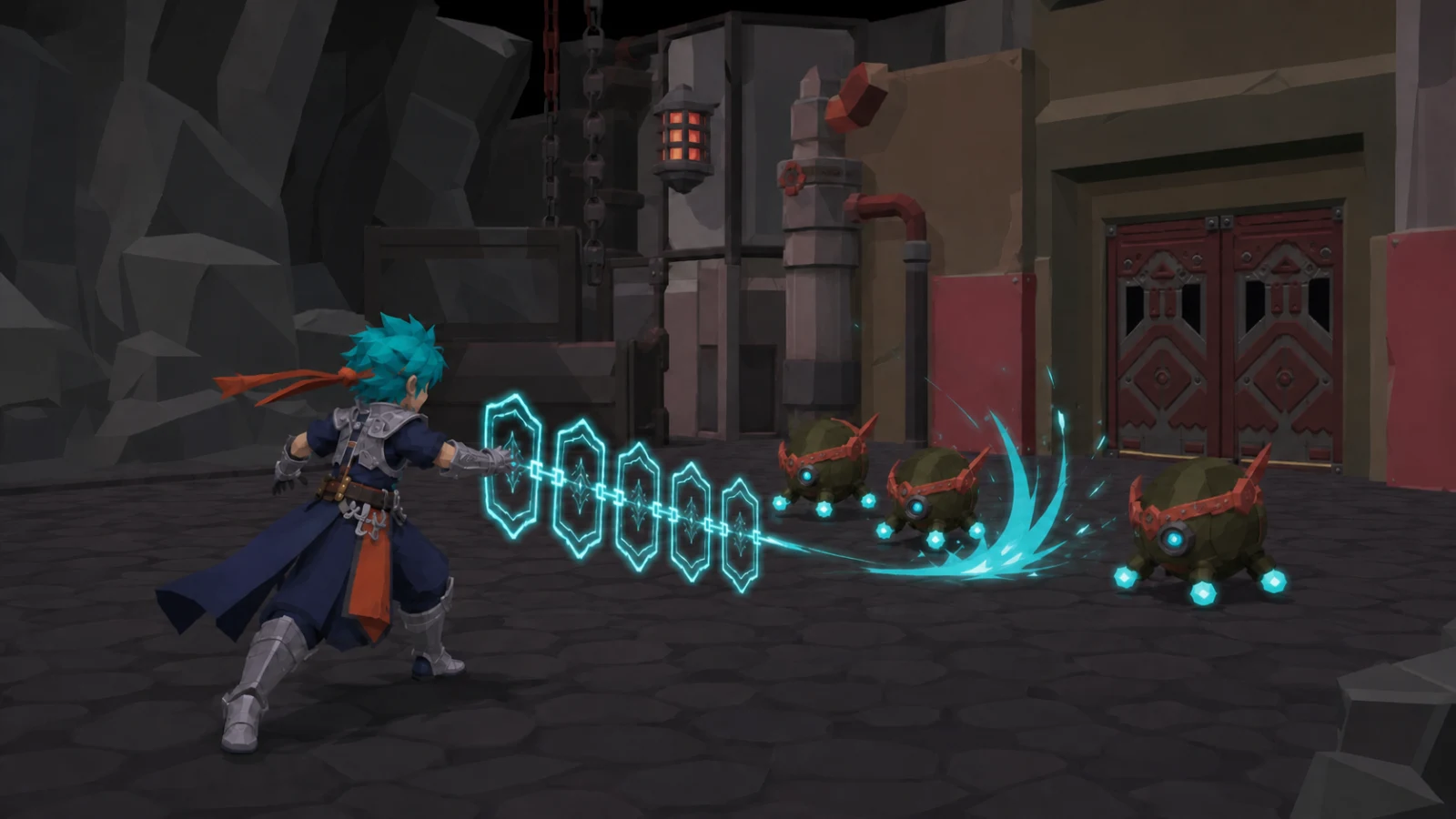
Exploratory low-poly render with the hero facing one-eyed mechanical enemies in front of an industrial door.
Concept vision

A low-poly direction built from the playable slice — preserving its camera, scale, simple materials and gameplay readability.

A JRPG seen through area cameras

Exploration changes camera when the character crosses points in the environment. The functional reference is classic survival horror: every frame composes the space and each transition marks passage between areas.

Cards that build actions

Combat cards are not only isolated commands. Their order and combination build combos, creating room to experiment with different sequences and outcomes.

What remains preserved

The available archive shows movement, cameras and part of the card system. This case stays within that slice and does not present later systems without preserved visual evidence.

Inside Stylized Action Prototype

01

Risk

What could fail?

Connect 3D exploration and card combat without losing spatial orientation or turning combos into an opaque sequence.
02

Decision

What changed the direction?

Switch cameras as the player crosses areas, following classic survival-horror staging, and structure cards so successive combinations create their own effects.
03

System

What can the team reuse?

A foundation built with Unity, C#, 3D, Card Systems to support iteration and delivery.
04

Outcome

What became better?

A playable slice with world movement, camera transitions and the foundation of a combinable card system.
Technologies

Unity · C# · 3D · Card Systems

Links

Available on request

Closure

What this project leaves.

A playable slice with world movement, camera transitions and the foundation of a combinable card system.