



About this portfolio

SEO

100 words

  • Unity
  • Multiplayer
  • LiveOps
  • C#

Leonardo Lycan is a Lead Game Developer specializing in Unity game development, multiplayer architecture, gameplay systems, LiveOps, and technical production. This portfolio brings together published projects, playable prototypes, product studies, and articles on game engineering, applied AI, Web3, onboarding, and digital experiences. The work combines team leadership, C# programming, service integration, performance optimization, and clear communication across design, art, and business. For projects, consulting, or collaboration, Leonardo takes a practical approach: understand the problem, build a robust solution, and turn complex requirements into memorable experiences for players and digital products with measurable, lasting impact for teams, audiences, and product goals.

Production case

Planet Dungeon

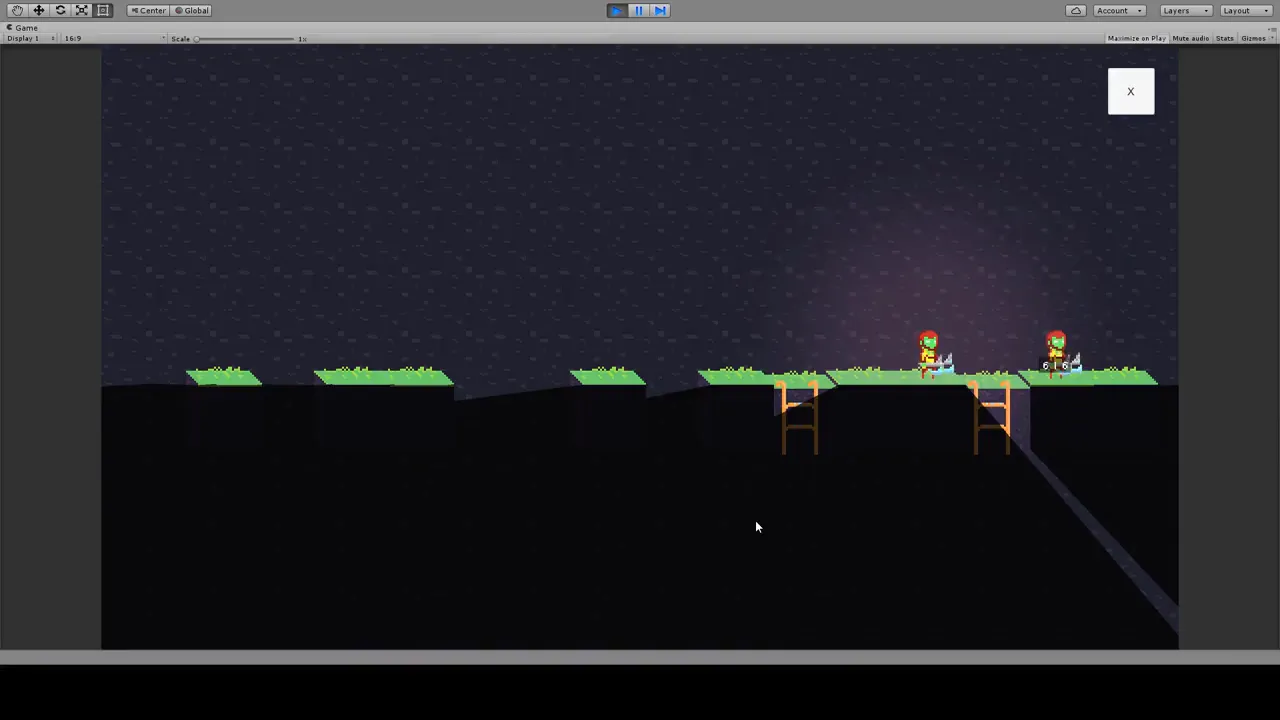
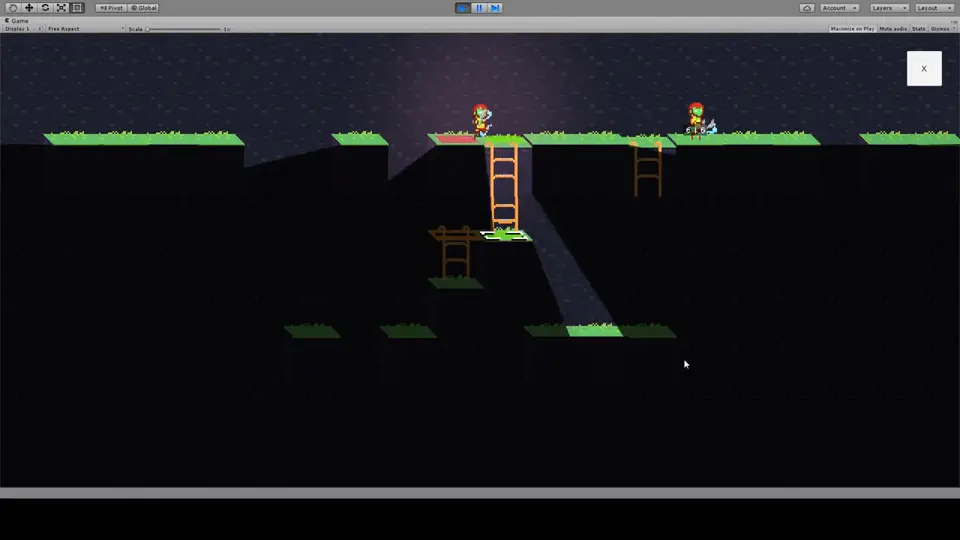
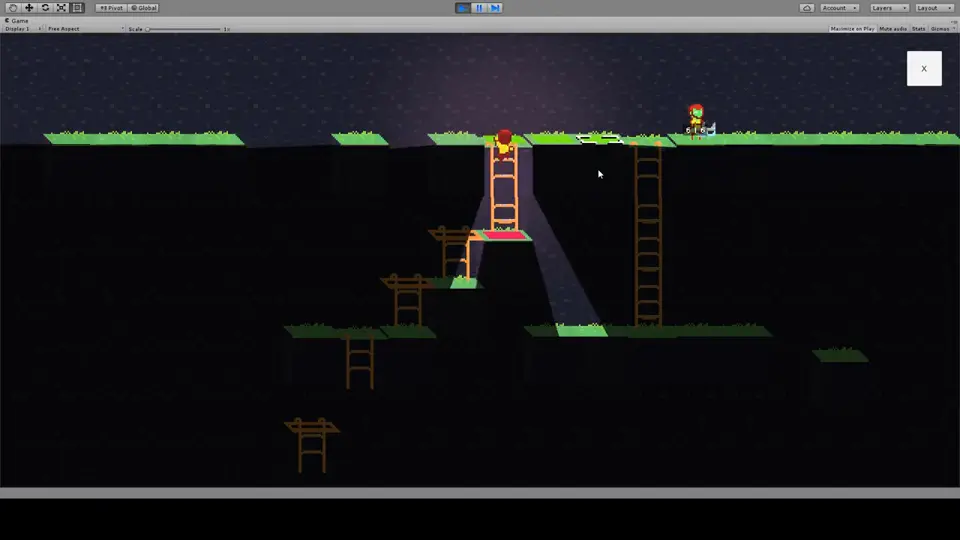
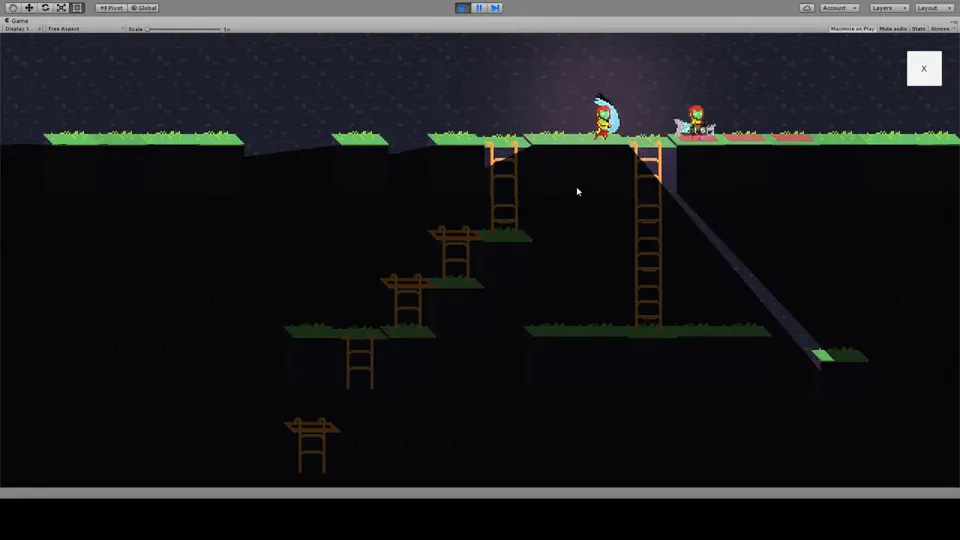
A turn-based side-scrolling prototype built around blind exploration and decisions concentrated in a radial interface. Every step forward reveals new threats hidden in darkness while dynamic lighting and shadow casting create an atmosphere of constant tension throughout procedurally arranged dungeon corridors.

Explore the case
ClientIndependent project
Period2016
RoleGame design, gameplay and prototyping
PlatformsPC
01

Challenge

Make exploration, turn-based combat and hidden information coexist on a side view without overloading the controls.

02

Solution

Reveal tiles as the player advances, use dynamic light and shadow to guide attention and keep available actions inside a radial UI.

03

Outcome

A prototype validating enemies, hidden-tile exploration, zoom attacks, lighting and the basic combat flow.

Visual research · exploratory concept

From darkness to discovery

The preserved build validates side-view exploration, light and turn-based decisions. This sequence reframes those signals as world, character and readability research while keeping prototype and vision distinct.

Preserved prototypeConcept exploration
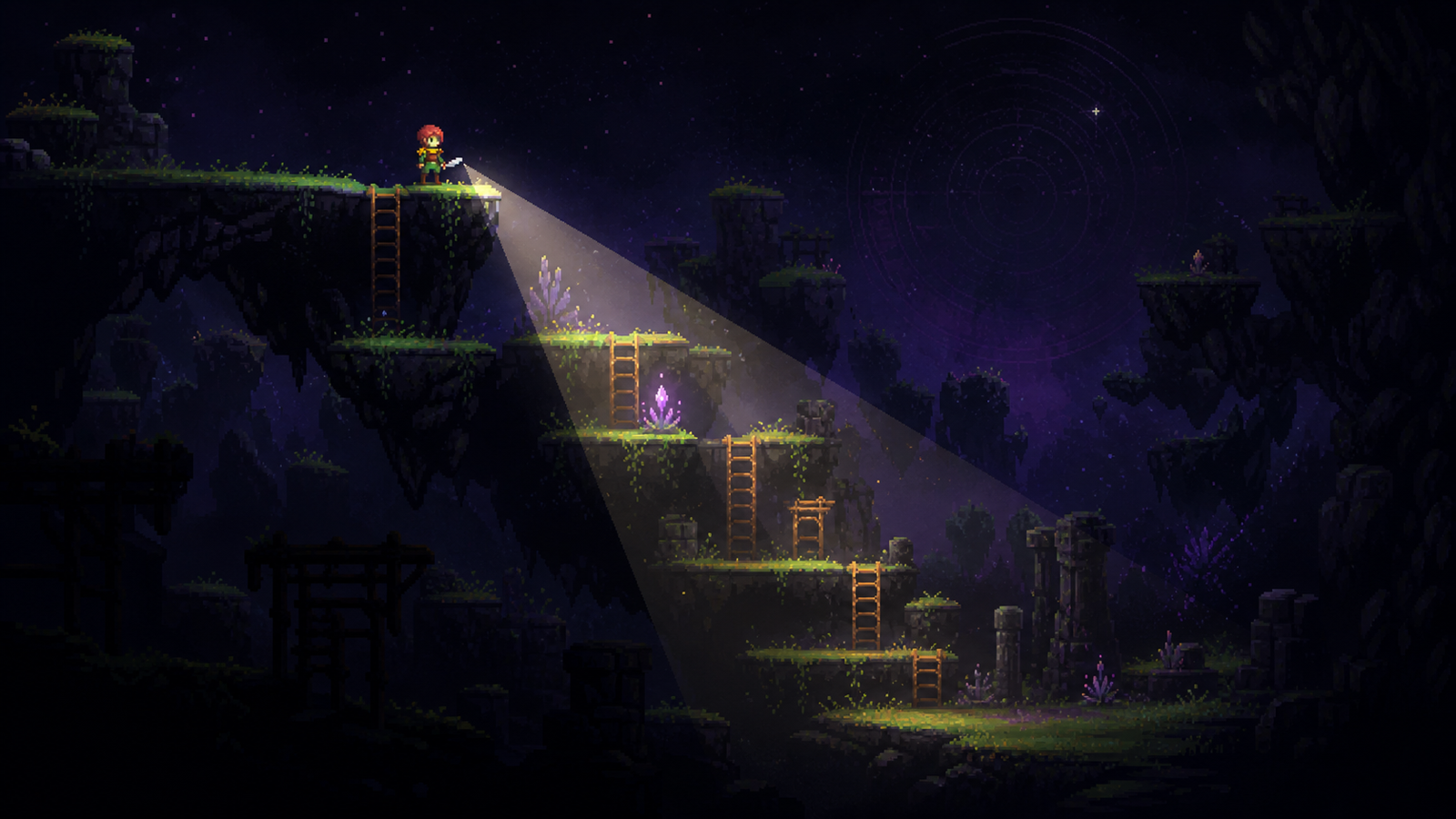
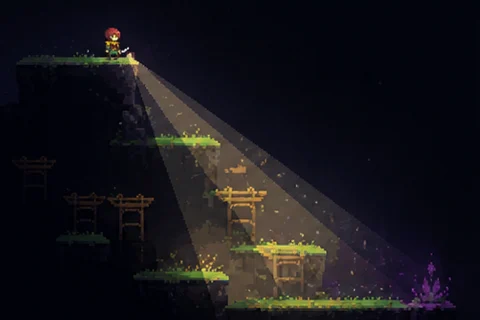
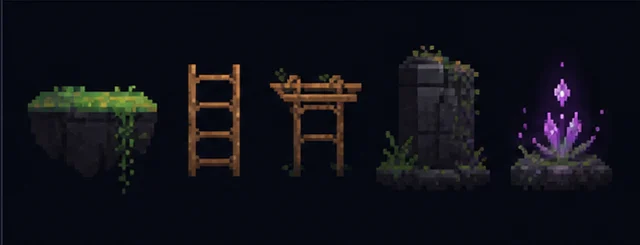
  1. Studies of floating platforms, ruins, ladders, hidden paths and directional lighting.

    01 · Space

    Reveal the path

    Side-view silhouettes define rhythm, height and decision points. Light cones do more than set atmosphere: they indicate what has been discovered and what remains hidden.
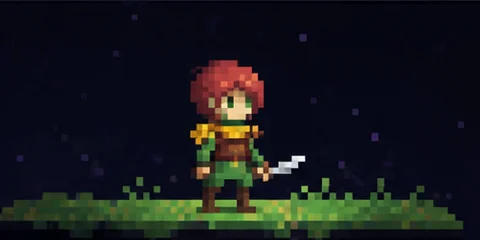
  2. Explorer, combat-pose, enemy and scale-comparison studies.

    02 · Scale

    Anchor hero and threat

    The small red-haired explorer provides a constant measure for the world. Enemies range from floating masses to heavy guardians while remaining readable inside the darkness.
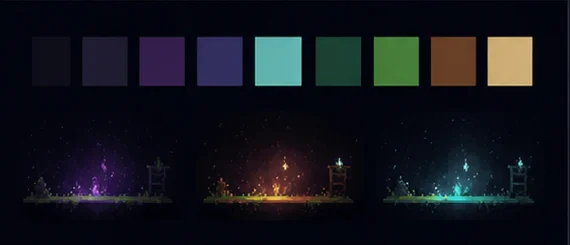
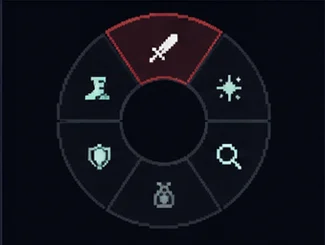
  3. Studies of radial interface, revealed tiles, light cones, crystals and environment modules.

    03 · Decision

    Concentrate choices

    The radial wheel, light reach and revealed tiles are studied as one system. The goal is quick decisions without covering the scene or breaking exploration.
  4. 04 · Synthesis

    Unite discovery and combat

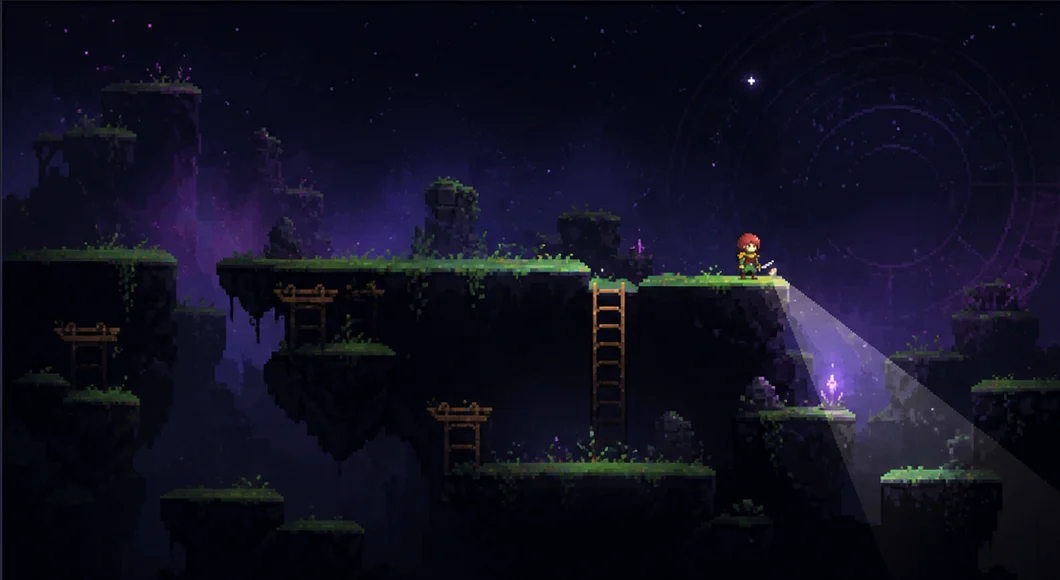
    The final direction uses contrast and light to unite navigation, threat and choice. It expands validated prototype systems without claiming these environments or assets reached production.
Concept key art of the explorer revealing hidden platforms in a cosmic dungeon.
Concept vision

Proposed direction for a future final pass — not captured final gameplay.

Explore without seeing the whole map

Planet Dungeon experiments with a turn-based side-scroller where advancing also reveals the board. Unknown tiles hide paths and enemies, creating tension before combat begins.

Concentrated decisions

The radial interface keeps actions close to the character. Dynamic shadows, enemies and framing changes communicate scene state without depending on an extensive HUD.

A prototype as laboratory

The preserved videos document specific mechanics in progress: lighting, discovery, action selection and a zoom attack. The case presents those tests as iteration evidence, not as a finished commercial release.
Inside Planet Dungeon

01

Risk

What could fail?

Make exploration, turn-based combat and hidden information coexist on a side view without overloading the controls.
02

Decision

What changed the direction?

Reveal tiles as the player advances, use dynamic light and shadow to guide attention and keep available actions inside a radial UI.
03

System

What can the team reuse?

A foundation built with Unity, C#, 2D, Dynamic Lighting to support iteration and delivery.
04

Outcome

What became better?

A prototype validating enemies, hidden-tile exploration, zoom attacks, lighting and the basic combat flow.
Technologies

Unity · C# · 2D · Dynamic Lighting

Links

Gameplay and lighting ↗Zoom attack ↗

Closure

What this project leaves.

A prototype validating enemies, hidden-tile exploration, zoom attacks, lighting and the basic combat flow.