
Why general metrics fall short
Daily Active Users (DAU), Monthly Active Users (MAU) and overall Day-1 Retention tell you if a game is succeeding, but they don’t tell you why it is failing. When a player leaves during their first session and never returns, knowing that the D1 retention dropped by 2% offers no actionable insight.
To fix the problem, a product needs to know exactly where the friction occurred. Was the tutorial too long? Did they lose the first real match? Was the deck building screen too confusing?
Drop-off funnels in DATA2073
DATA2073 relies heavily on drop-off analytics — a sequence of strict, instrumented checkpoints that map the player’s journey from launch to core loop. By measuring how many players move from Step A to Step B, the team can isolate the exact moments that cause churn.
For a complex tactical game with 100+ characters, this granularity is essential. The funnels are placed across key transition points:
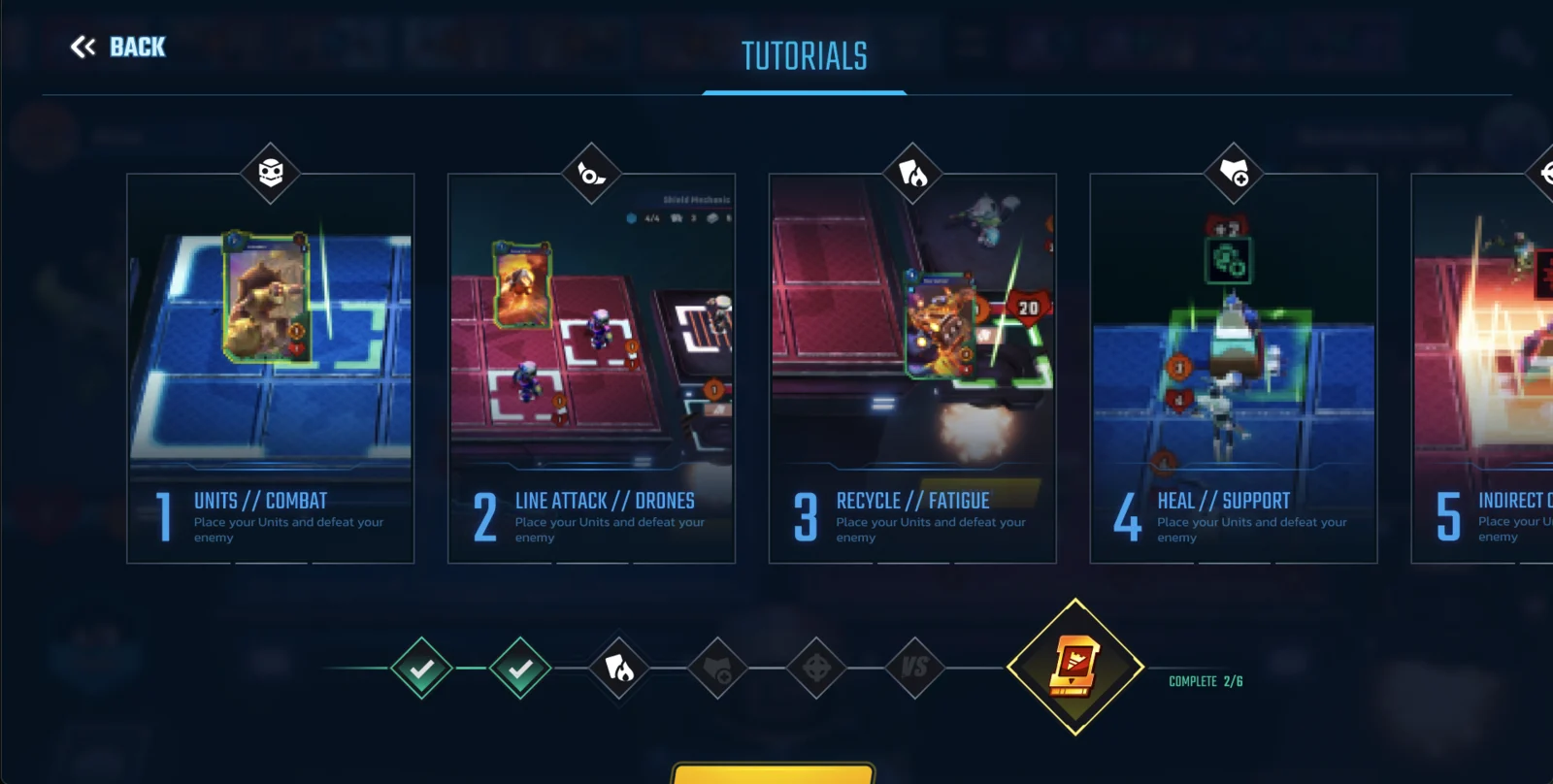
- The Tutorial Pipeline: Every step of the staged FTUE emits an event. If 90% of players finish the movement tutorial but only 60% finish the line-attack tutorial, the problem is isolated.
- The First Solo Match: Transitioning from guided tutorials to independent play is a high-risk moment. If players lose their first unguided match and quit, the matchmaking or early campaign difficulty needs adjustment.
- The First Deck Edit: Opening a collection of cards can be overwhelming. Analytics track if players successfully navigate the UI to equip a new character.
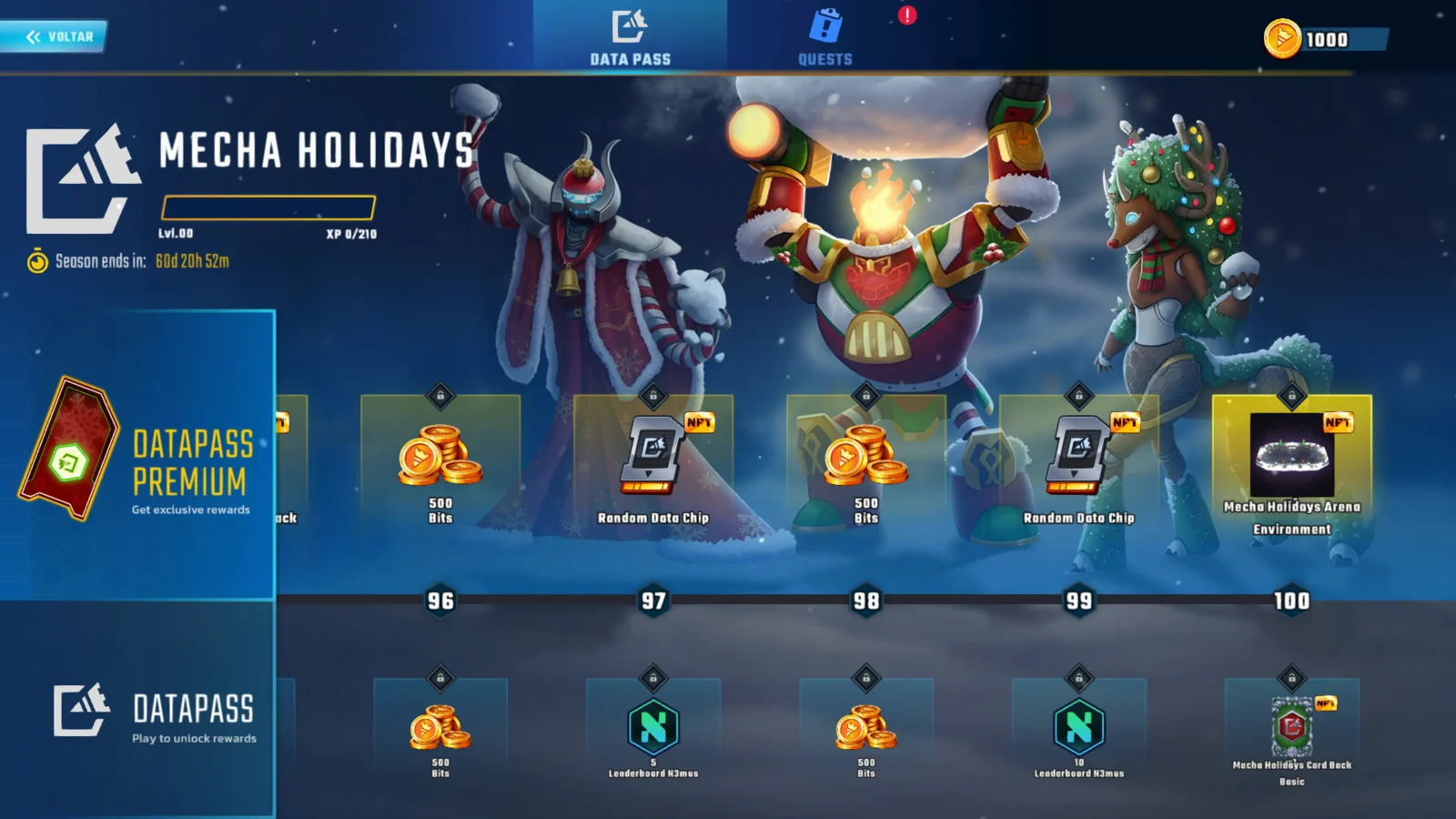
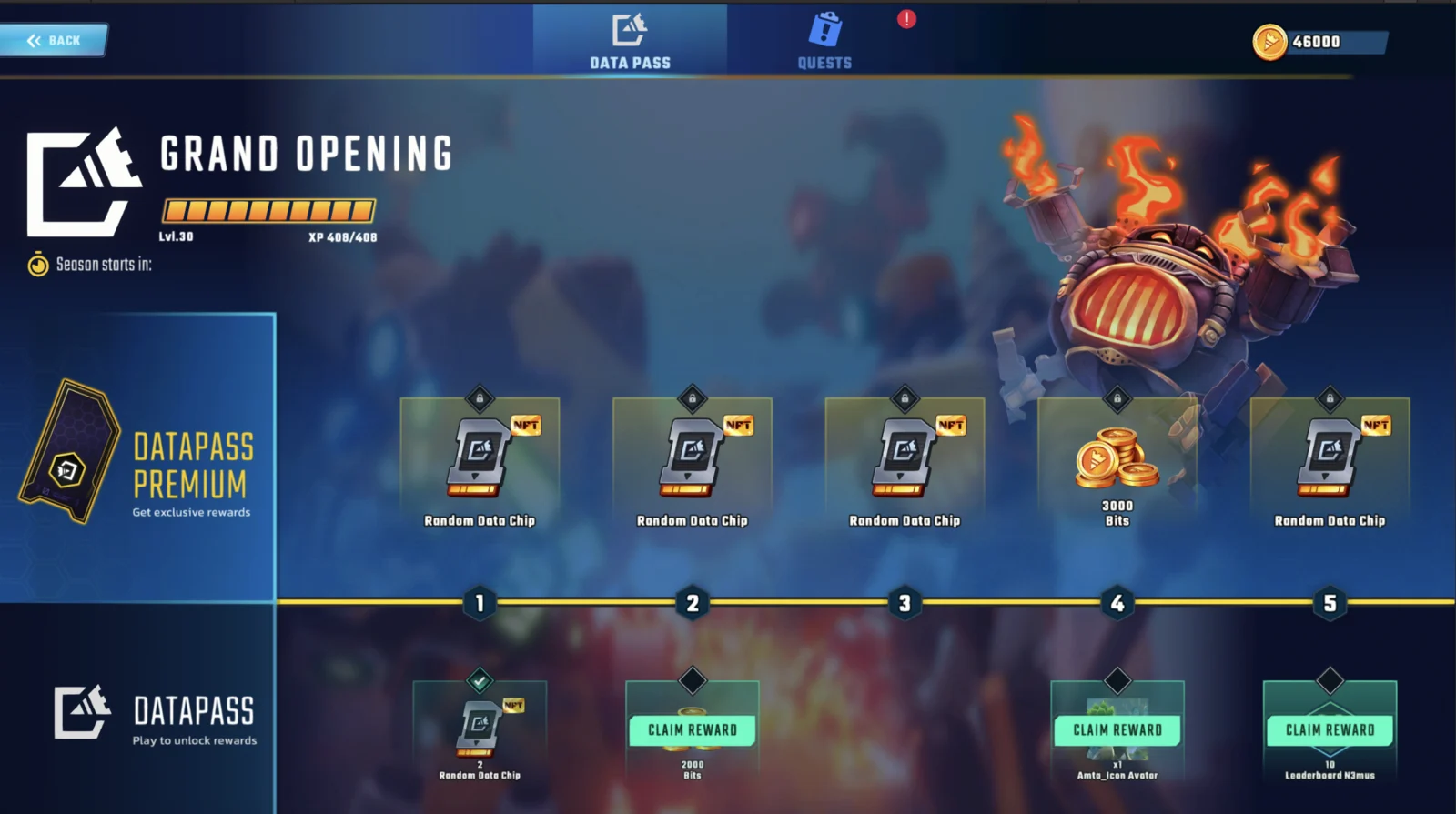
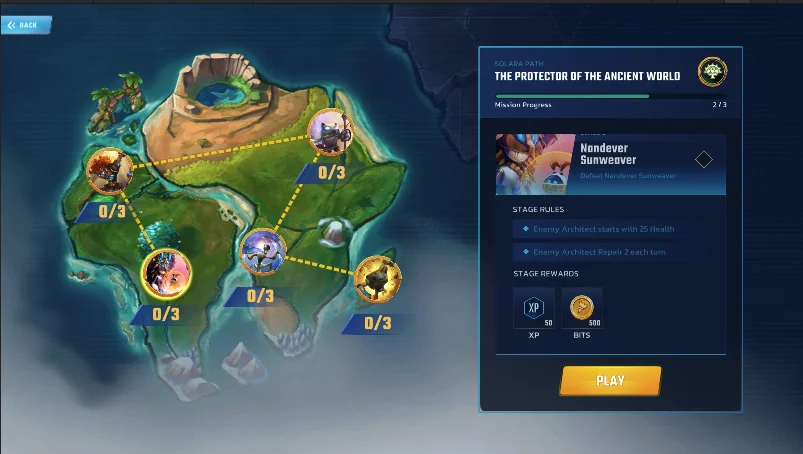
- The First Season Interaction: Moving from the base campaign to LiveOps events involves another layer of rules. Tracking participation in the DATA Pass validates if the remote content configuration is resonating.
The optimization cycle
Analytics are only useful if they drive change. In DATA2073, the data feeds a continuous optimization loop:
- Observe the funnel: The dashboard shows a 15% drop-off between finishing the tutorial and playing the first campaign mission.
- Formulate a hypothesis: The transition might be unclear. Players might not know where to click on the hub screen.
- Deploy a change: Using feature toggles and remote config, the team pushes an updated UI layout that highlights the campaign button more clearly.
- Re-measure: The new cohort’s data is compared against the old cohort to verify if the drop-off decreased.
Closing the loop
Deep analytics complete the LiveOps architecture. Remote content and feature toggles provide the ability to change the game instantly. A structured FTUE provides a baseline to teach the game’s depth. Drop-off analytics provide the compass — telling the team exactly which parts of the experience need those changes the most.