
The store-update bottleneck
Every mobile game that depends on store submissions to change behavior pays the same tax: review queues, staged rollouts and the inability to revert a bad change without shipping another build. For a LiveOps product running seasonal events, weekly quests and a roster of over 100 characters, that cycle is too slow.
DATA2073 sidesteps this by separating what the client can do from what the client should do right now. The client ships with the full capability set; the server decides which capabilities are active at any given moment.
Remote content delivery
Remote content is the backbone of the operation. Instead of embedding every season, event and character configuration inside the build, DATA2073 pulls content definitions from a remote source at runtime. This covers:
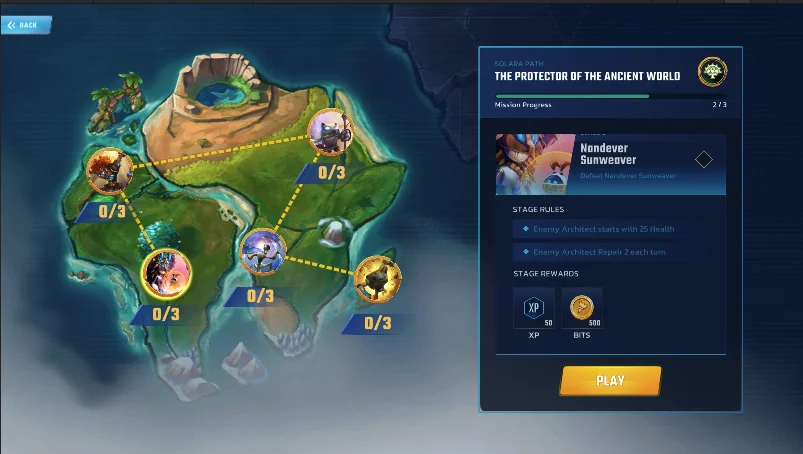
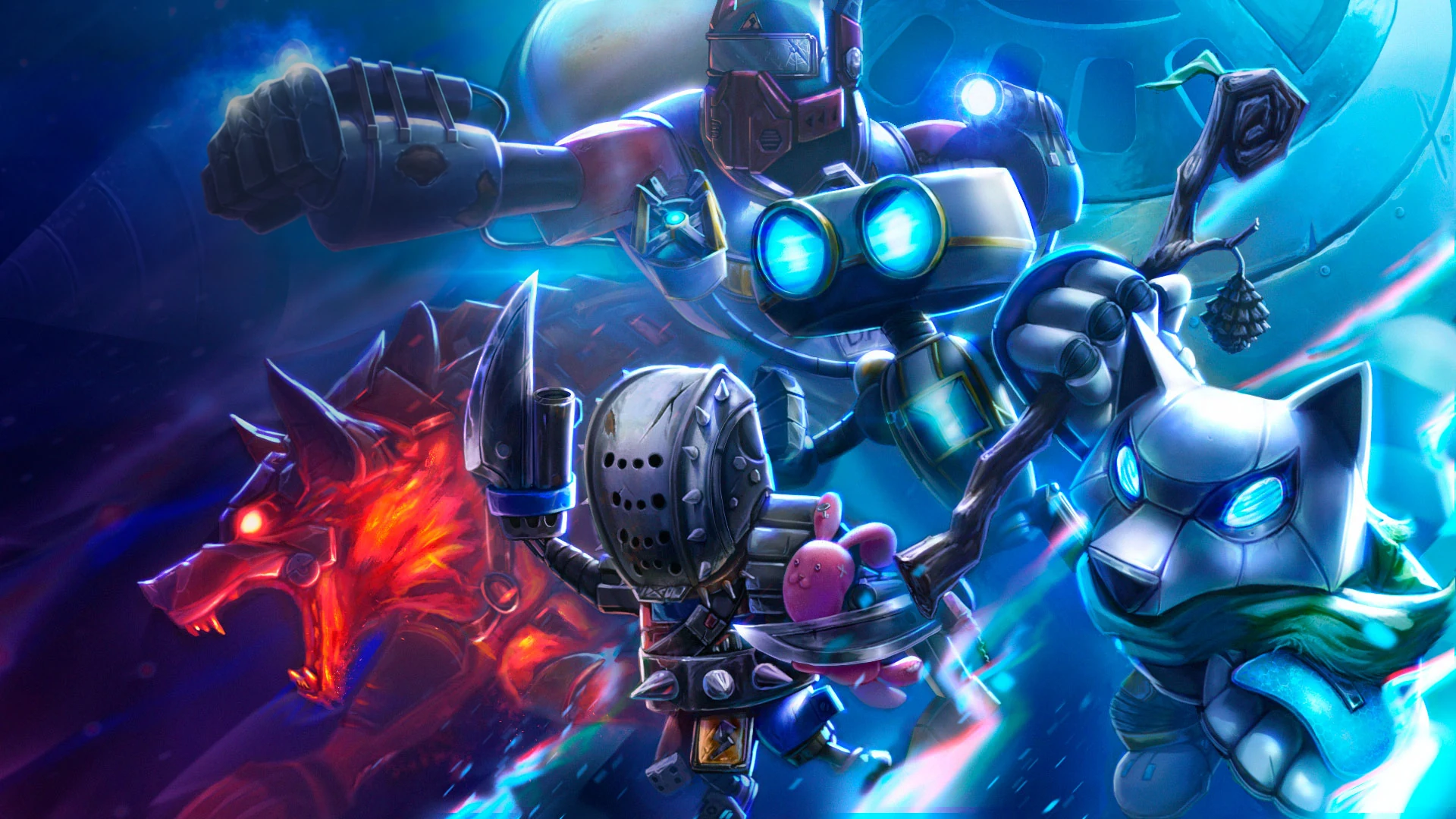
- Character catalog: new characters and balance adjustments appear without a client patch. With 100+ unique characters across three factions, the catalog changes frequently enough that baking it into the build would create a permanent deployment bottleneck.
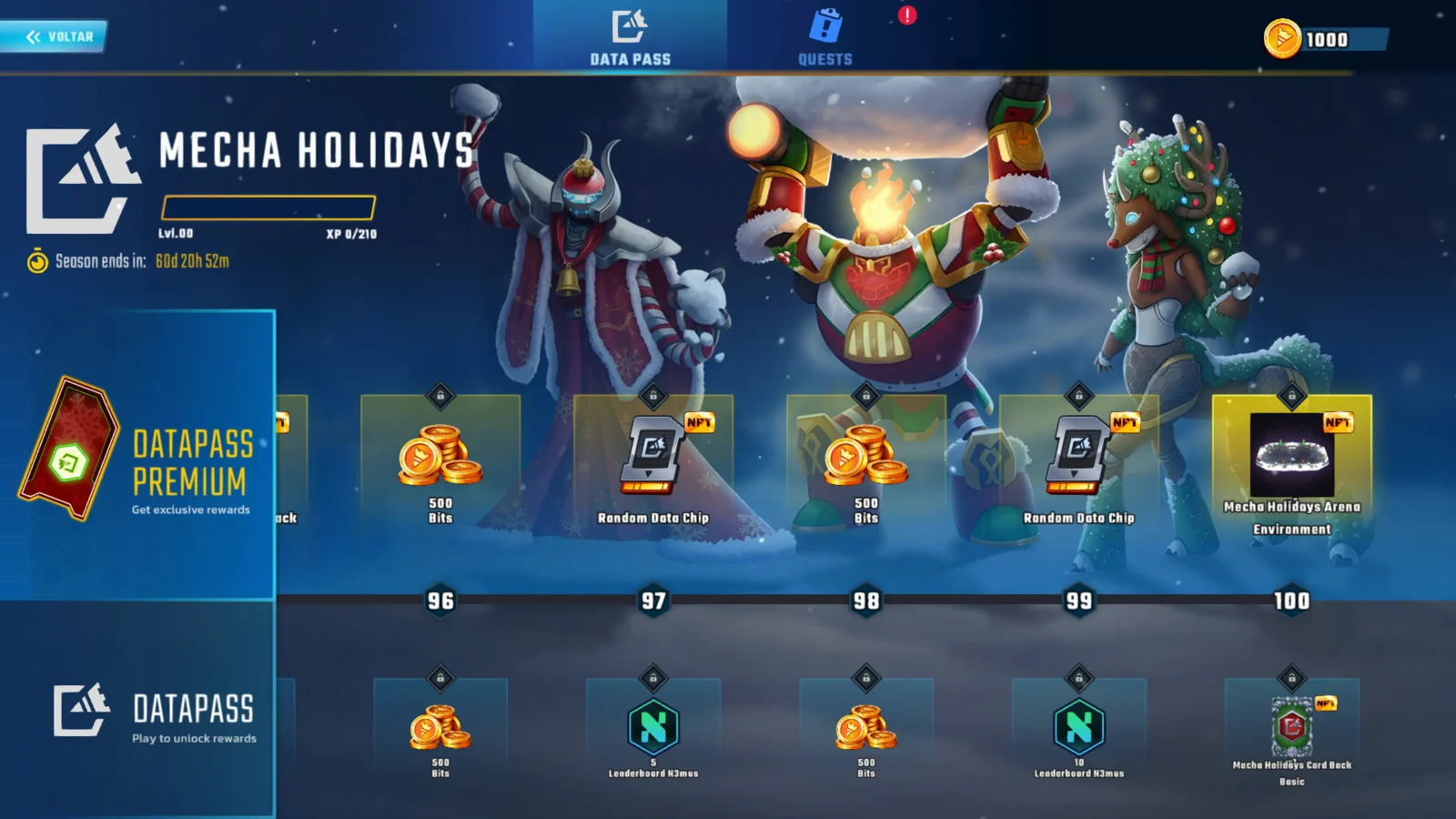
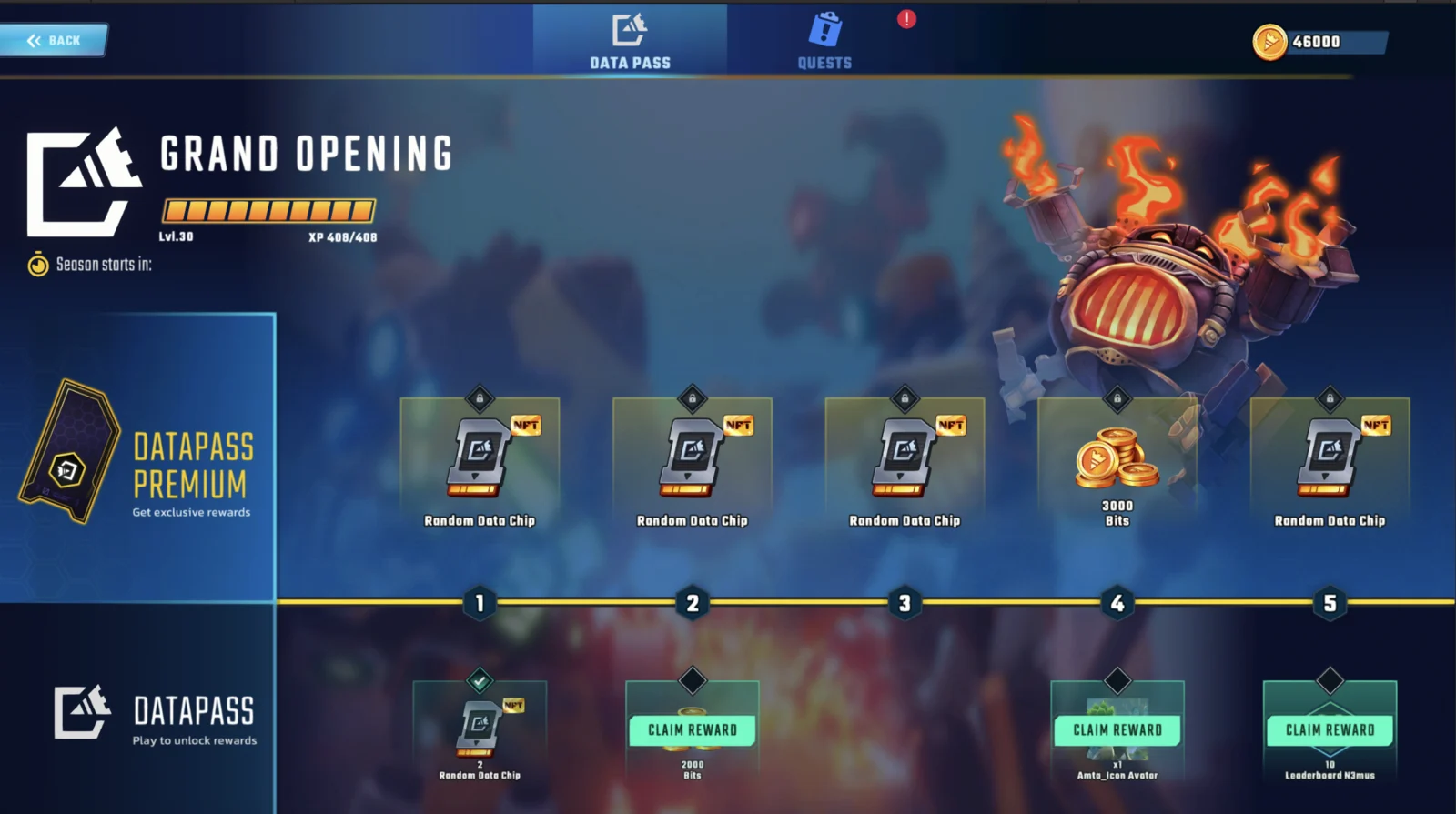
- Seasonal configurations: DATA Pass structure, quest pools, reward tracks and event timing are all defined remotely. A new season can launch, adjust or extend without touching the binary.
- UI and flow definitions: hub layouts, promotional banners and navigation paths adapt to the current operational state.
The key constraint is reliability. The client must handle missing or outdated content gracefully: local fallbacks ensure the game remains playable even when the remote source is temporarily unavailable.
Feature toggles
Feature toggles add a second layer of control. Where remote content defines what is available, toggles define whether something is enabled:
- Kill switches: if a newly launched feature causes crashes or exploits, it can be disabled server-side within minutes — no hotfix, no store review.
- Gradual rollouts: a new quest type or UI variant can be enabled for a percentage of players first, validated through analytics, then expanded to the full population.
- Event windows: seasonal events like Halloween or Mecha Holidays activate and deactivate on schedule, driven by toggle state rather than hardcoded dates.
- A/B testing: two variants of the same flow can coexist, each behind its own toggle, with analytics tracking which performs better.
The combination of remote content and toggles means the team can ship a stable client once, then operate the live product entirely through configuration — adjusting the experience in real-time based on player behavior and operational needs.
Trade-offs
This architecture is not free:
- Cache management: clients need to know when to refresh content and when to trust the local cache. Stale content creates confusion; aggressive refreshing wastes bandwidth.
- Versioning: remote content must remain compatible with every client version in the wild. Schema changes require migration strategies.
- Testing surface: the number of possible toggle combinations grows fast. Not every combination can be manually tested, so the team must define which configurations are valid and enforce those constraints.
- Observability: when behavior changes without a deploy, the team needs clear logs and dashboards to trace which configuration was active when an issue occurred.
Why it matters for DATA2073
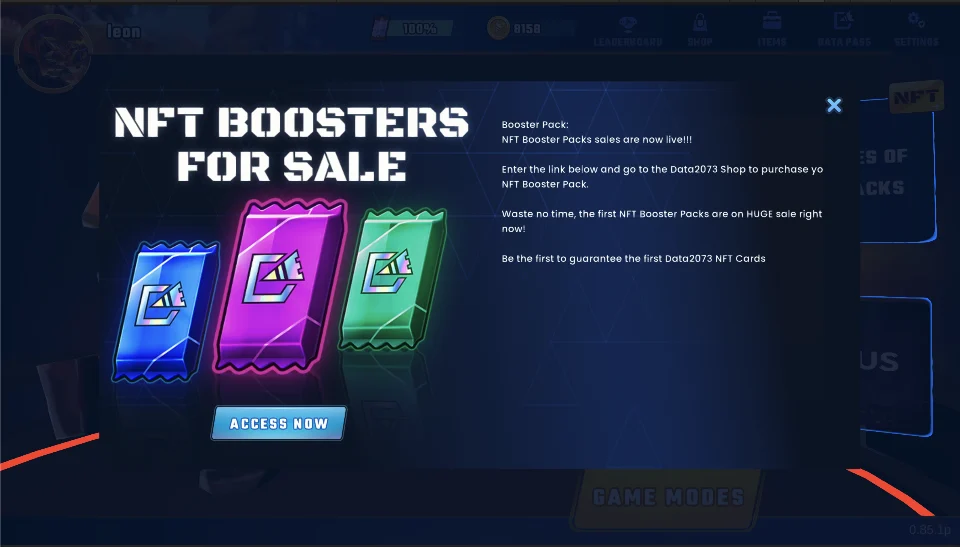
A game with three factions, seasonal passes, weekly quests, NFT drops and a competitive leaderboard cannot afford to wait days for a store review every time the operation needs to change. Remote content and feature toggles turn deployment from a release event into a continuous dial — one that the team adjusts daily based on what the analytics and the player community are telling them.
The next articles in this series cover how the initial player journey (FTUE) was optimized and how drop-off analytics shaped retention decisions.