
The first minutes decide everything
The First Time User Experience (FTUE) is the window between install and the moment a player decides the game is worth coming back to. Industry data consistently shows that most churn happens in the first session. A game that fails to deliver a clear value proposition before the player’s patience runs out loses them permanently.
For DATA2073, the challenge is unusually dense. The game asks players to understand:
- A 3×6 tactical grid where unit positioning determines attack and defense ranges
- Three distinct factions, each with unique strategies and campaign paths
- Over 100 unique characters with different abilities, synergies and rarity tiers
- Energy, drones, recycling, fatigue, healing and support — mechanics that layer on top of basic combat
- Deck building that connects collection, strategy and progression
Presenting all of this in the first session would bury the player. Not presenting enough would make the game look shallow. The FTUE has to find the line between the two.
Staged introduction, not information dump
DATA2073’s FTUE follows a principle of progressive disclosure: each concept is introduced only when the player has context to understand it.
Phase 1 — Core action
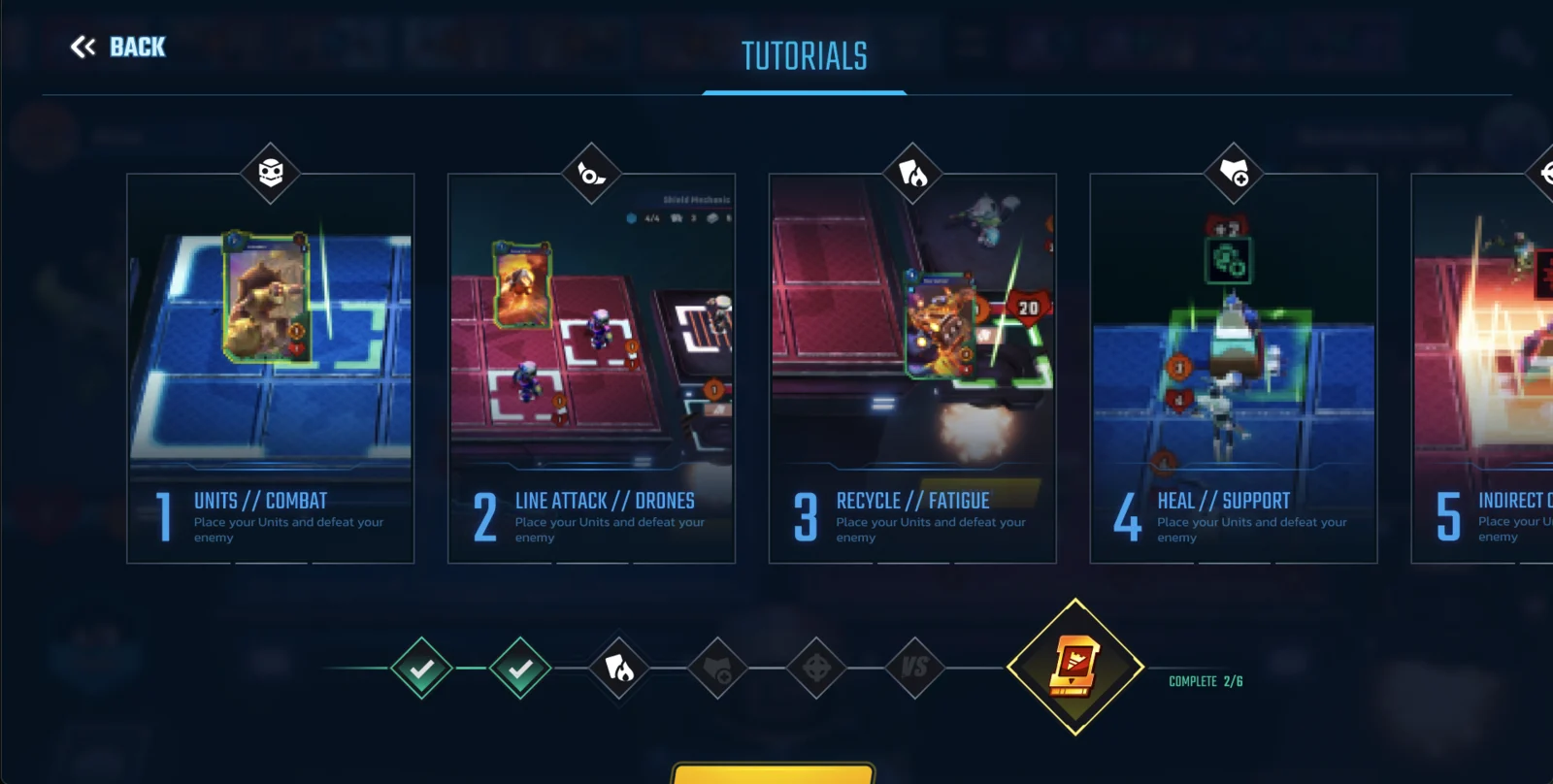
The first match teaches only the essentials: place a unit, attack an enemy, win the round. The grid exists, but its strategic depth is not yet relevant. The goal is to make the player feel competent before asking them to be strategic.
Phase 2 — Expanding the vocabulary
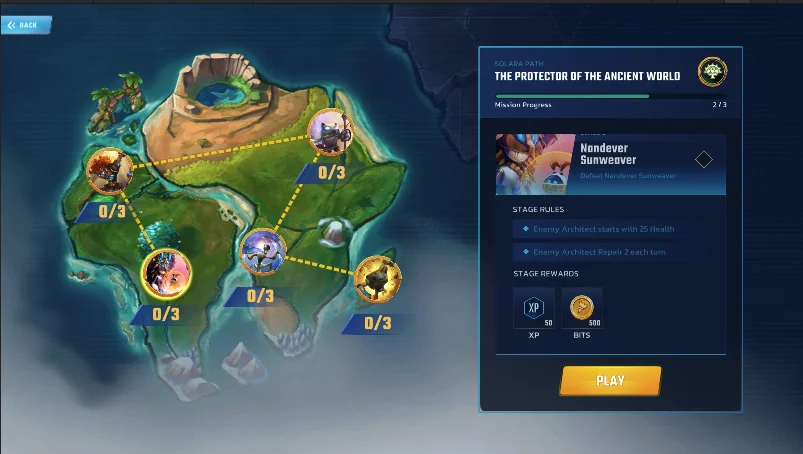
Subsequent tutorial stages introduce one mechanic at a time: line attacks, recycling spent units, managing energy, deploying drones. Each lesson is a short, guided match — not a text wall. The player practices the mechanic immediately after learning it.
Phase 3 — Faction identity
Once the player understands how combat works, the faction choice gains meaning. Picking a faction is not a blind commitment; it is an informed decision shaped by the mechanics the tutorial has already demonstrated.
Phase 4 — Collection and deck building
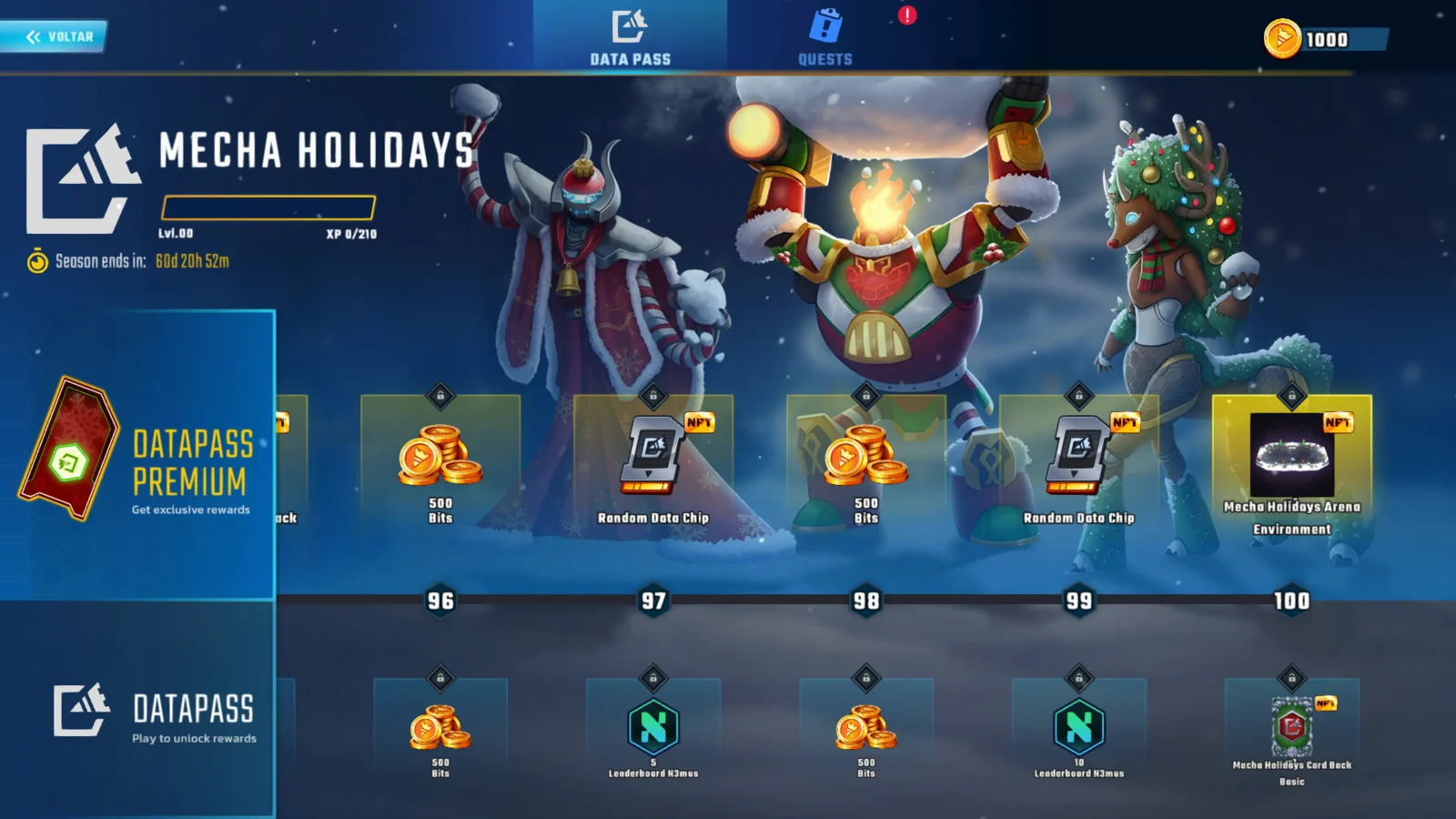
Only after the player has won several matches and collected rewards does the deck building screen become relevant. By this point, the player has cards they care about and understands why composition matters.
Connecting FTUE to analytics
The staged approach is not a guess. Each phase boundary is an instrumented checkpoint where drop-off analytics reveal how many players continue and how many leave. If a specific tutorial stage shows abnormal churn, it signals that the lesson is too long, too confusing or not rewarding enough.
This creates a feedback loop:
- Instrument each FTUE step with analytics events
- Measure completion rates and time-to-complete per step
- Identify steps with abnormal drop-off
- Hypothesize the cause (too complex, too slow, unclear reward)
- Adjust via remote content and feature toggles — no store update needed
- Re-measure to confirm improvement
The FTUE is not a fixed sequence shipped once; it is a living flow that evolves with every operational cycle.
Relationship with Web3 onboarding
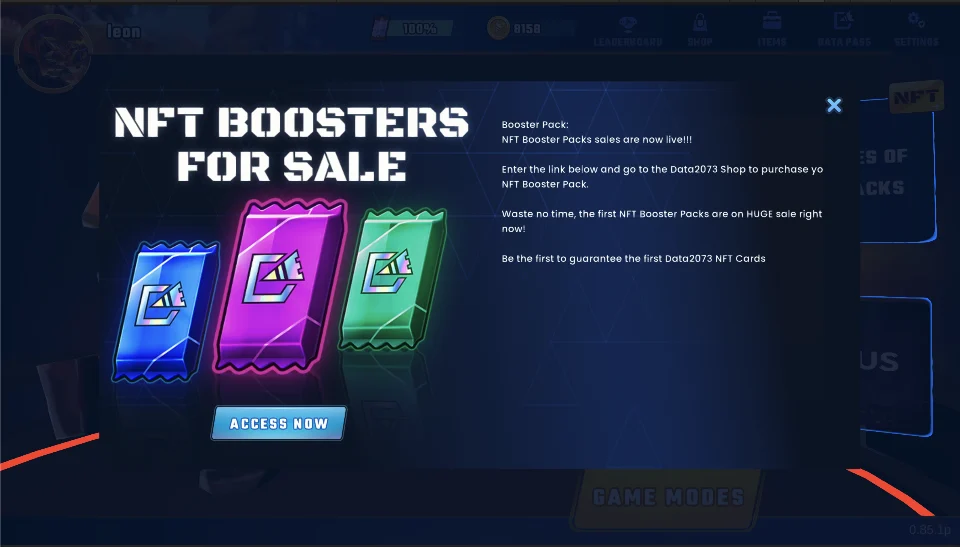
DATA2073 also includes Web3 elements — wallets, NFTs, blockchain transactions. The Web3 onboarding article covers how those concepts are introduced without blocking the core game experience. The principle is the same: delay infrastructure language until the player has enough context to care about it.
Why staged FTUE matters at scale
With 100+ characters and seasonal content rotating through remote config, the game’s complexity grows over time. A rigid tutorial written for launch day would become outdated as new characters, factions and mechanics are added. By treating the FTUE as a remotely configurable flow, DATA2073 ensures that new players always encounter a current, optimized introduction — regardless of when they install.