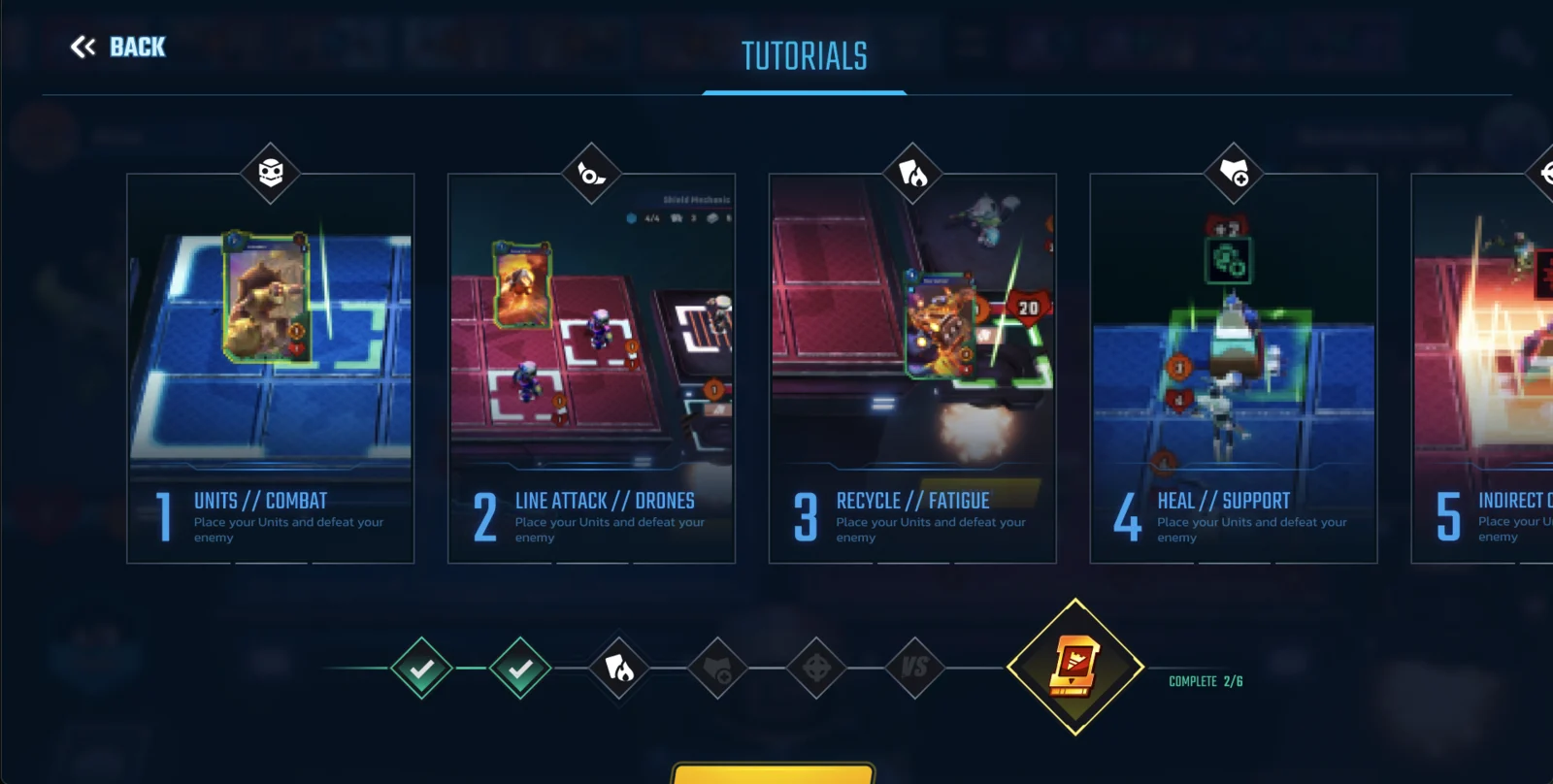

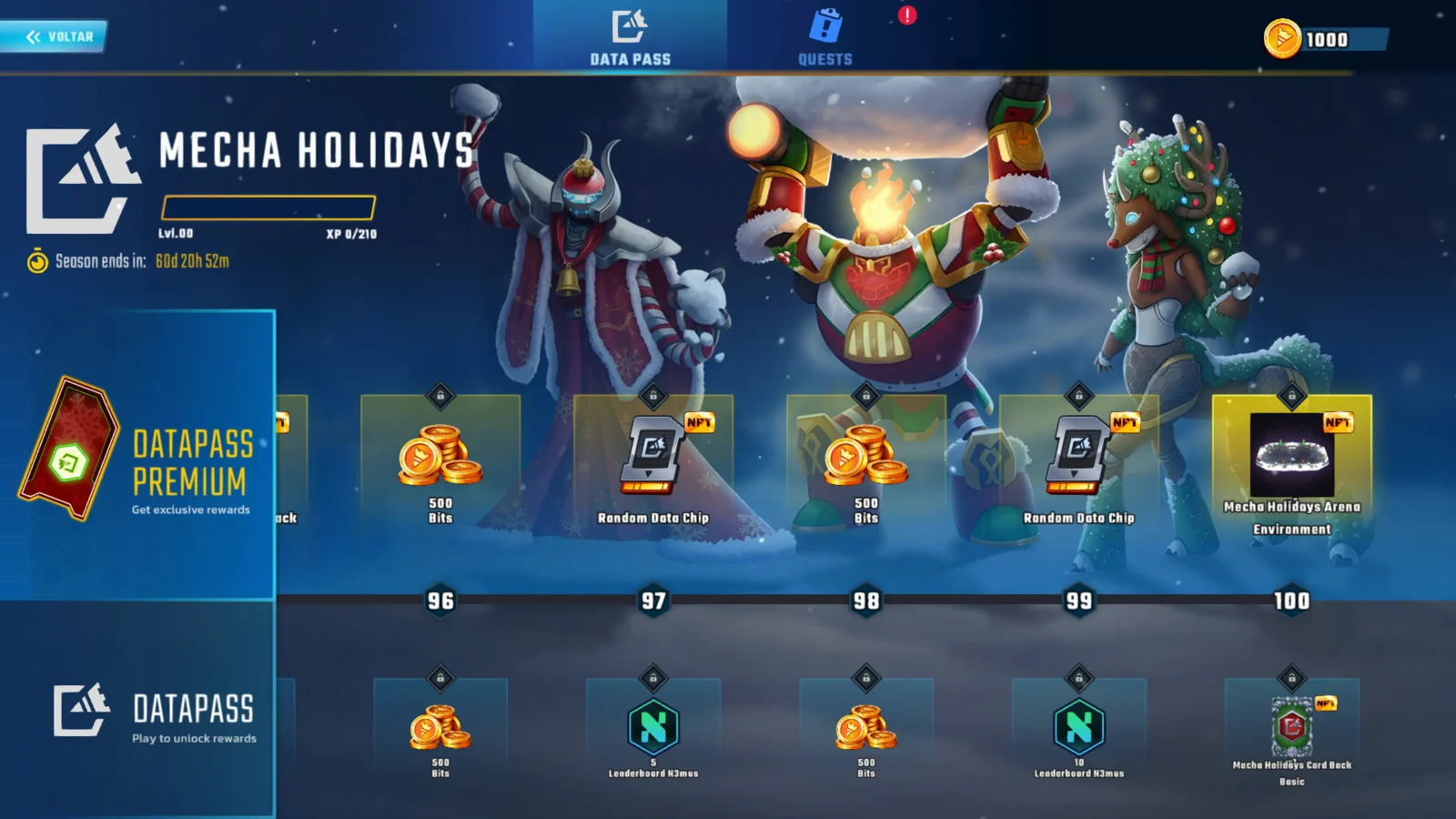
LiveOps is often described as a calendar: a season begins, an event appears in the hub, rewards change and the next update takes its place. That view explains when content changes, but not why the change matters to the player.
DATA2073 suggests a broader model. Its operation connects three time horizons: the long journey of faction progression, the recurring cadence of seasons and the competitive cycles of individual and guild leaderboards. Each clock gives the same battle a different meaning.
The journey answers where the player is going. The season answers what matters now. Competition answers how that progress relates to other players.
The thesis is simple: LiveOps works best when it synchronizes three clocks around the same core loop instead of creating three separate routines.
To support this structure without requiring constant app store updates, DATA2073 relies on remote content delivery and feature toggles. The initial player journey for its 100+ character roster was systematically optimized using deep drop-off analytics to introduce mechanics in stages — approaches detailed in our dedicated articles on FTUE optimization and Analytics.
Three clocks, three player questions
The clocks do not need to reset together. They need to make their relationship clear:
- Faction journey: which path am I advancing, and what will this commitment unlock?
- Seasonal cadence: which objective makes the next session relevant now?
- Social competition: where does my result place me, and what does it contribute to my guild?
A match can carry three consequences. It may advance a permanent campaign, satisfy a temporary objective and affect a leaderboard with a defined deadline. The action remains familiar; its surrounding context changes.
That distinction matters. A LiveOps layer limited to banners and menus asks players to leave the game in order to understand the event. A synchronized operation uses the event to renew actions the game has already taught.
In practice, the concept needs to become a schedule. The calendar below is an illustrative operating model, not a reconstruction of DATA2073’s historical schedule. The case material confirms the systems and the broad sequence of activations, but it does not document enough daily dates to publish an official calendar. October 2026 therefore works as an example month: real dates on the grid, a proposed cadence and UTC resets.
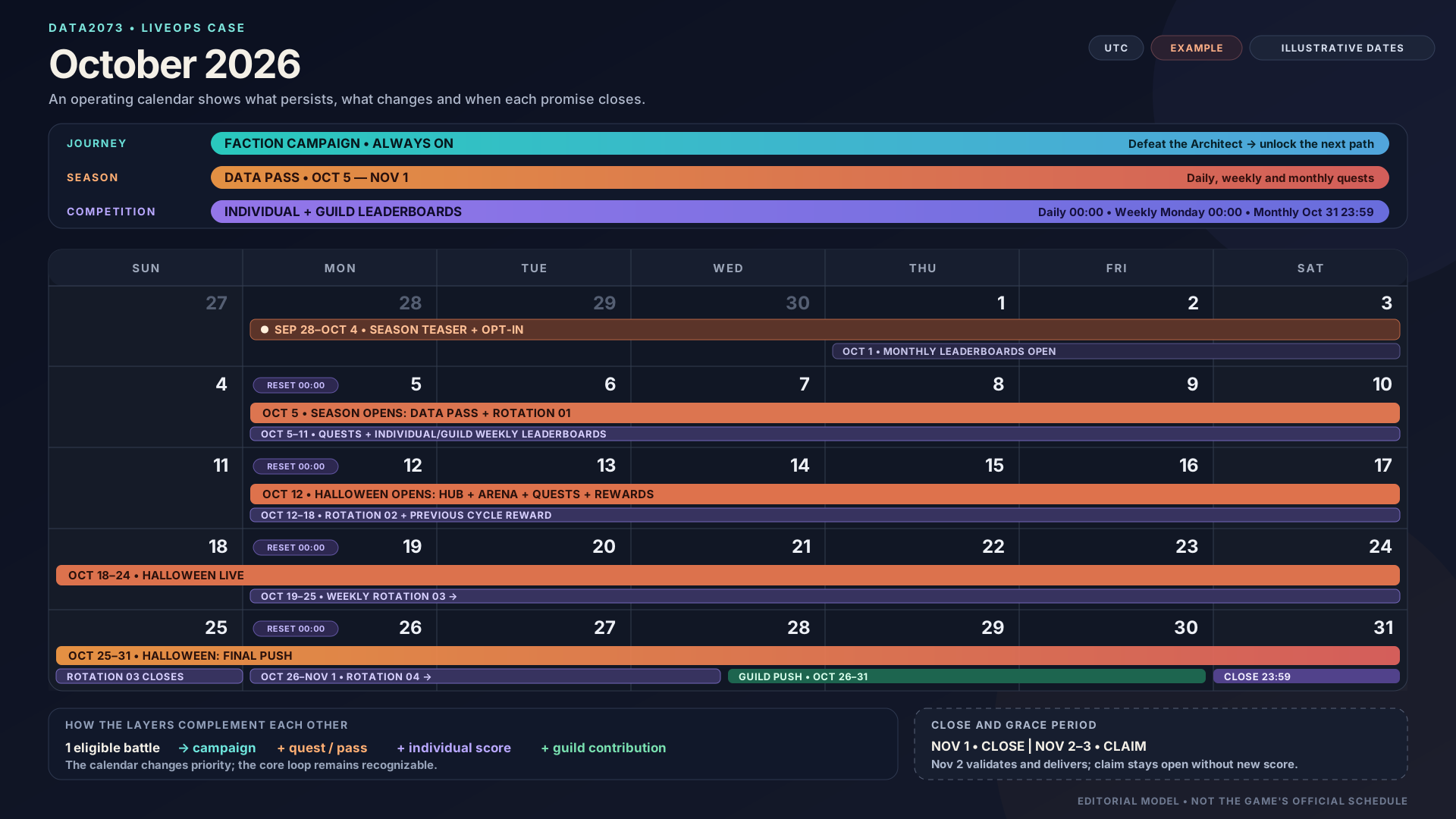
Campaign progress follows the player’s pace; seasons, events and rankings follow global dates. Dates are illustrative and do not represent the game’s official schedule.
The month reads as an operating contract:
- September 28–October 4: a teaser and opt-in introduce the season;
- October 5–November 1: the DATA Pass creates a 28-day envelope;
- October 5–11, 12–18, 19–25 and October 26–November 1: four weekly rotations distribute quests and leaderboards;
- October 12–November 1: Halloween spans the hub, arena, objectives and rewards;
- every day at 00:00 UTC: a daily cycle closes; every Monday begins another weekly cycle;
- October 31 at 23:59 UTC: the individual and guild monthly leaderboards close;
- November 1: the season closes; November 2: results are validated and delivered; November 2–3: the claim window remains open.
Defeating the Architect is not scheduled on a global date. It is a personal milestone inside the permanent campaign lane. This separation avoids confusing player time with service time.
The long clock begins with faction choice
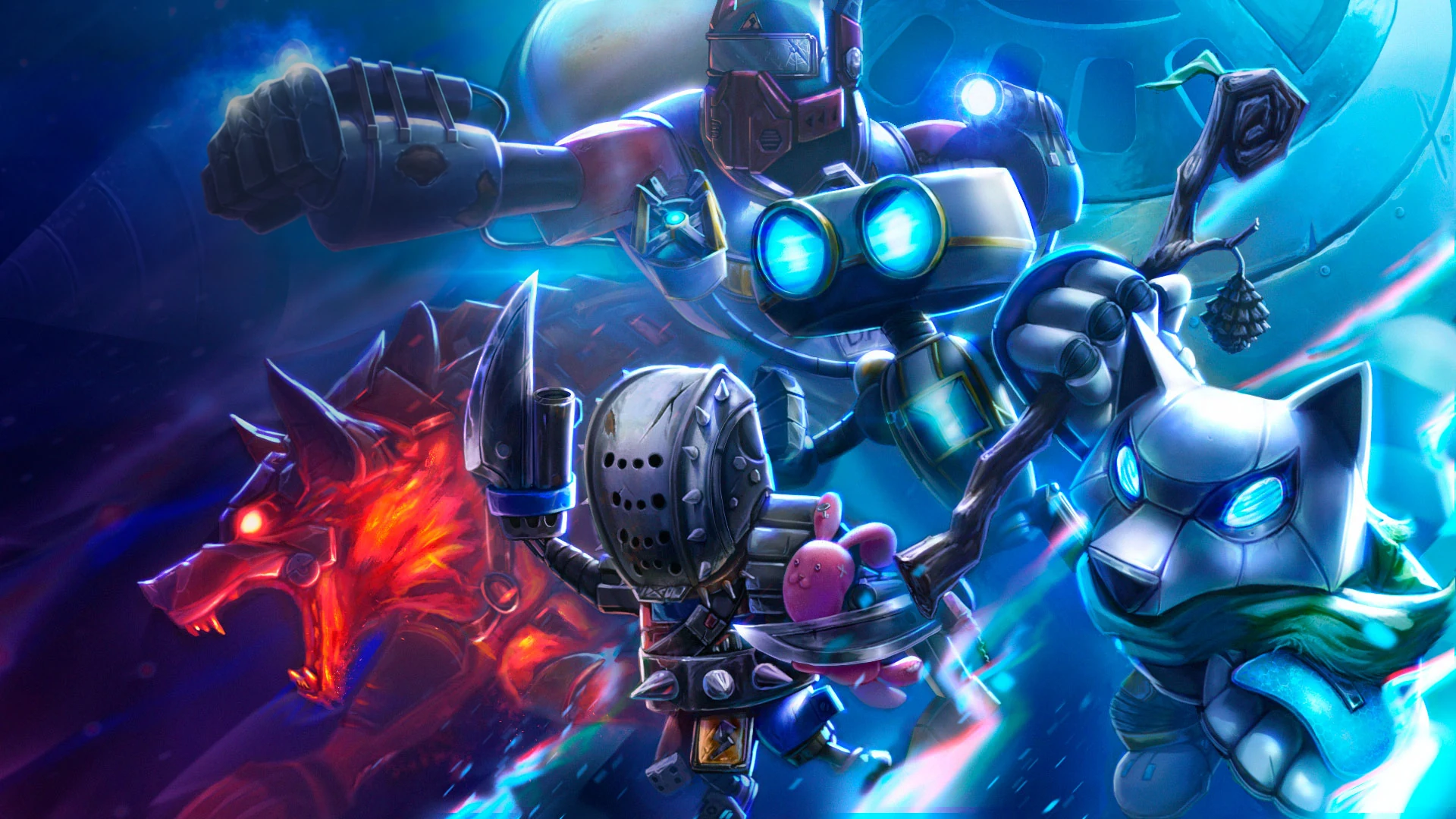
In DATA2073, faction is not only a visual identity. The choice defines a route: until the enemy Architect is defeated, the player faces opponents from that path. Victory unlocks the Architect and expands the possibilities for the next journey.
Each faction also has its own campaign, with specific content, progression and unlocks. The initial decision organizes a long-term promise:
choose a route → advance through its campaign → face the Architect → earn the unlock → open a new possibility
Temporary restriction gives the choice consequence. The player is not browsing every possibility at once; they are pursuing a defined opponent and a recognizable resolution. Locked content stops feeling like an arbitrary absence when the product shows what exists along the route, why it is restricted and which achievement will open it.
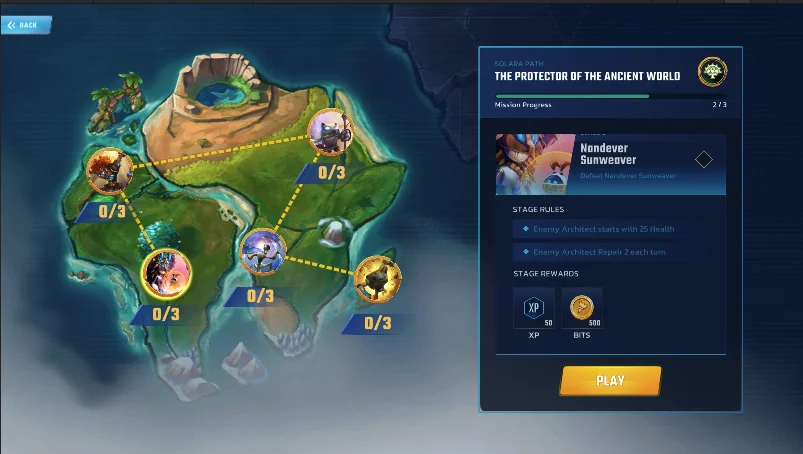
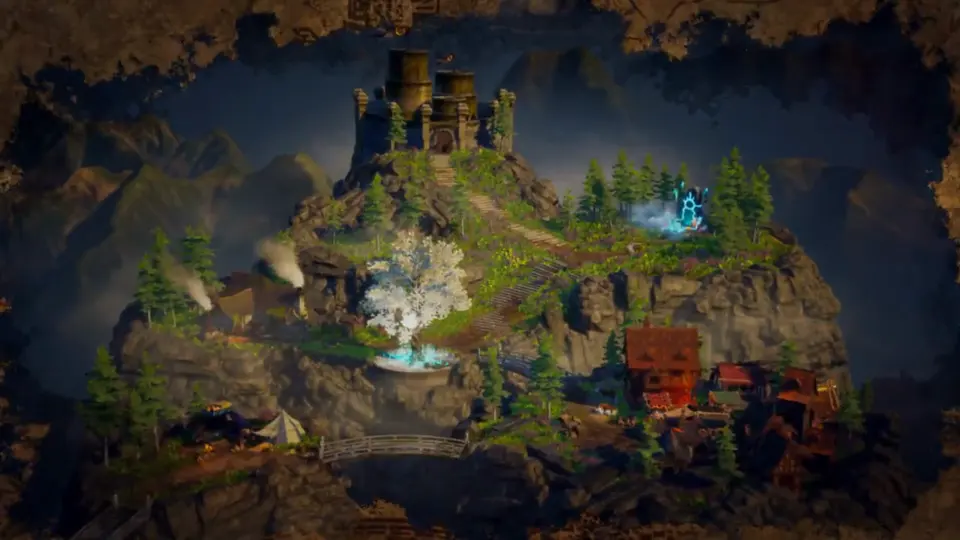
The map makes route, objectives and rewards part of the same progression decision.
This is the slowest of the three clocks. Its purpose is not to manufacture daily urgency but to preserve direction across sessions. When a season ends or a leaderboard resets, the player still knows which journey remains incomplete.
The risk is equally clear. Commitment can feel like confinement when the route, duration or unlock condition is obscure. Before selection, the product needs to preview identity, play style and the nature of the path. During the campaign, its state and Architect objective need to remain readable. Exclusivity works when it creates anticipation, not when it makes the rest of the game seem unavailable without explanation.
The seasonal clock changes the next session’s priority
The permanent journey answers “where am I going?”. The season answers “why is it worth playing now?”.
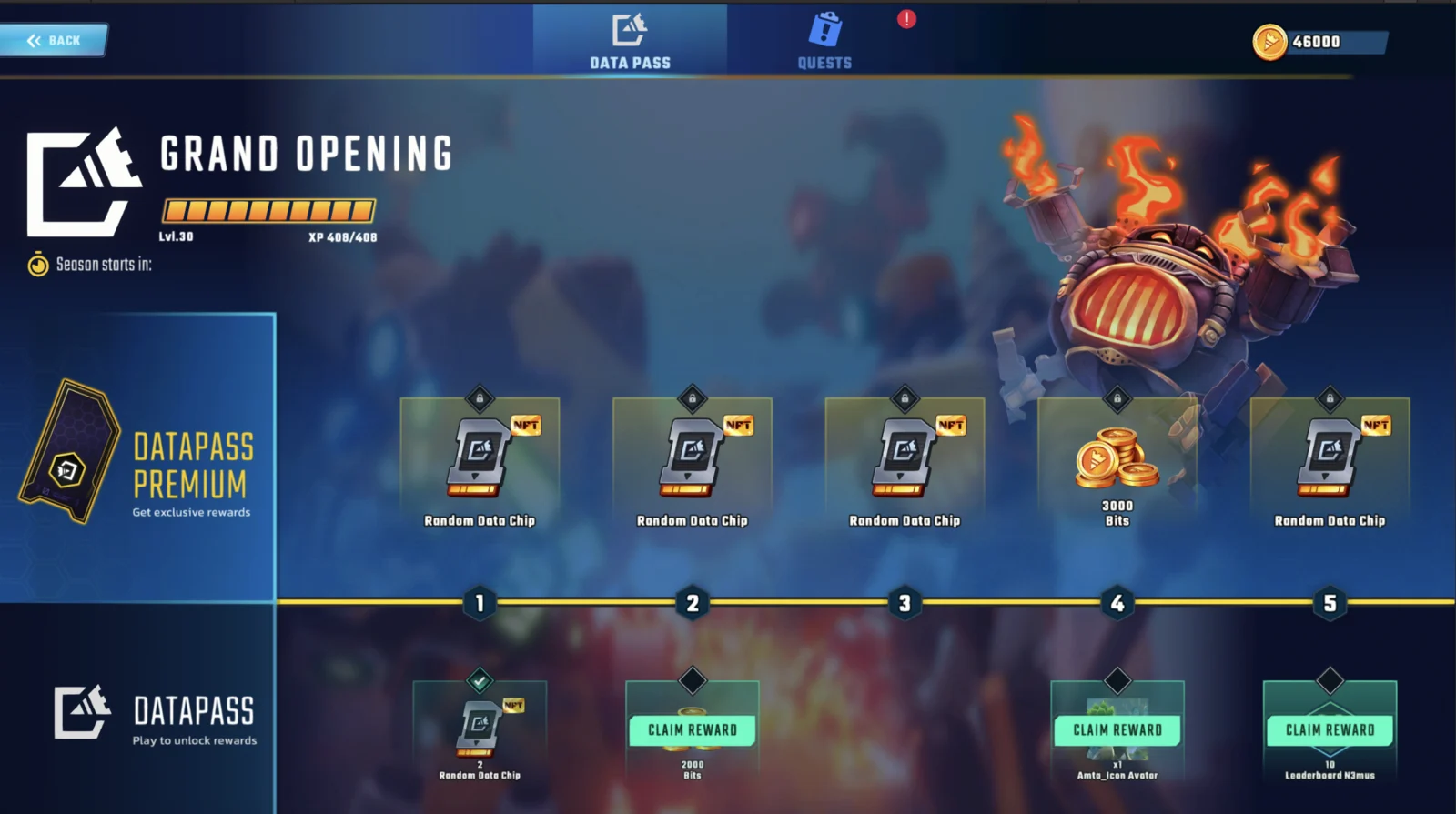
DATA Pass, quests and cycles such as Halloween and Mecha Holidays reorganize the current objective. The case material crosses the hub, arena, pass and rewards instead of changing only one promotional surface.
The campaign does not need to stop for the season to matter. A player can keep advancing toward the Architect while a quest or pass milestone adds another intention to the battle. The season becomes a temporary lens over a permanent journey.
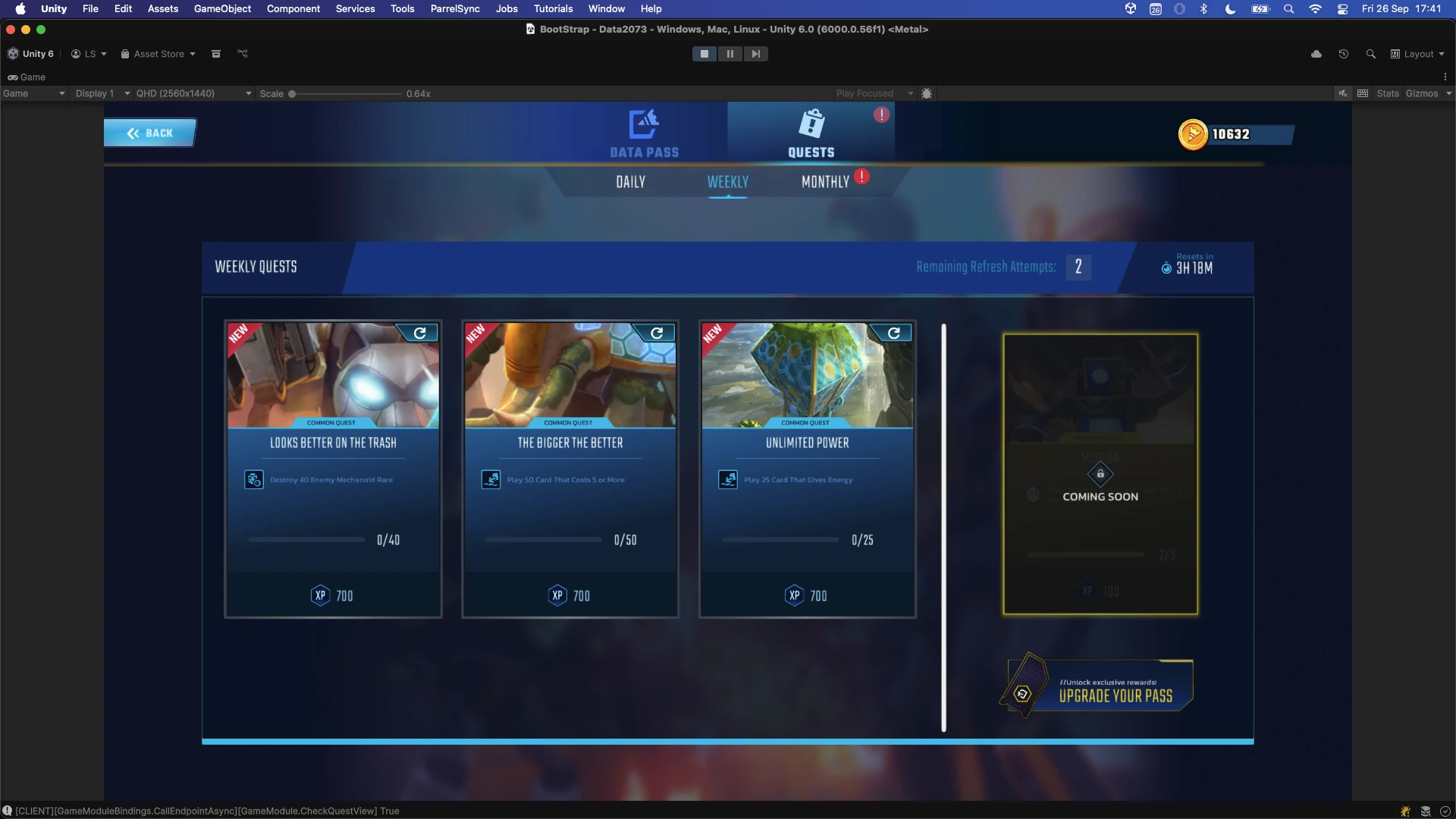
Quests turn calendar cadence into objectives that return to combat and progression.
This separates a coherent season from a themed bundle. A bundle places assets next to one another. A season connects presentation, objectives, progression and claims so the player understands what changed and which action should follow.
The seasonal clock should borrow meaning from the core loop:
- quests point to playable decisions rather than menu attendance;
- the pass makes repetition and milestones legible;
- rewards return to collection, deck building or another permanent objective;
- the end of an event does not erase progression already earned.
The best season does not interrupt the journey to create a parallel job. It changes priority inside something the player already wanted to do.
One reward language prevents a fourth clock
Quests, passes, leaderboards and events should not behave like four unrelated economies. They can ask for different actions and use different claim windows, but the reward needs to return through a language the rest of the product understands: progression, currency, cards, items, access or ownership.
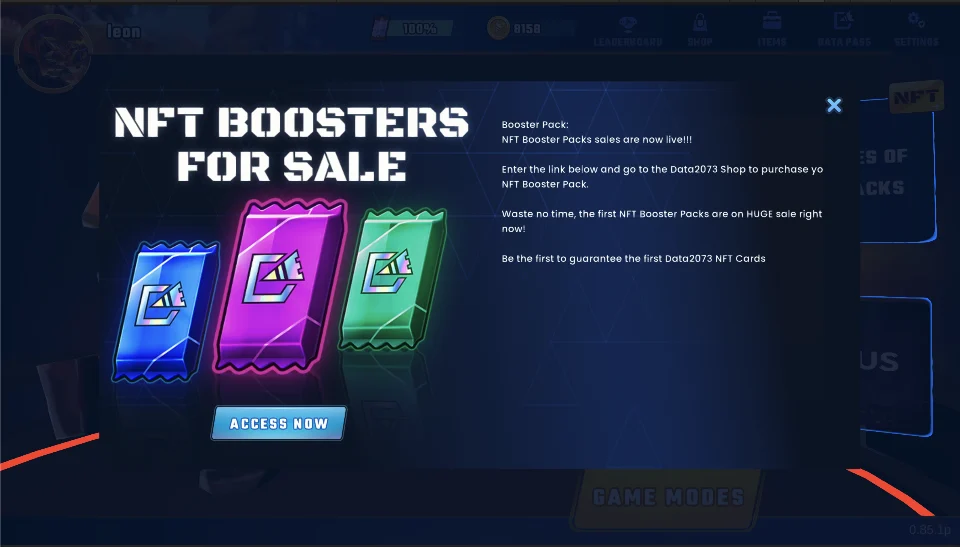
Mystery Boxes make this contract concrete. A seasonal objective can grant the box, a rarity rule can resolve its contents and the inventory can expose the resulting card. If the reward also carries NFT ownership, wallet and transaction state join the handoff. The event created the reason to earn it; the permanent collection creates the reason to care after the event closes.
This flow matters because a reward is not complete when the animation plays. It is complete when the player can recognize what changed and use that value in a later decision. The operating question becomes: which permanent or competitive action does this temporary reward unlock?
A shared reward vocabulary also reduces operational fragmentation. New seasons can recombine known reward types without inventing a separate economy for each event, while exceptional rewards can define their additional ownership or recovery rules explicitly.
Against bots: limit the faucet, not access to play
There is a fourth rhythm that does not begin on a calendar: how long a player will wait for an opponent. When the queue cannot find another person, a bot fallback can save the session. Availability and economy must remain separate decisions, however; otherwise, the mechanism that protects the experience also becomes the most predictable way to accumulate resources.
In DATA2073, the flow distinguishes PvP matches from bot matches before resolving rewards. Each context can use its own win-and-loss configuration. New players receive dedicated treatment so an early fallback does not reduce the progression intended for onboarding. For everyone else, a daily allowance limits how many bot matches remain eligible for rewards.
The most important product detail is that reaching the allowance does not need to disable the mode. Players can keep practicing or complete the session against bots; what stops is the additional reward distribution. The rule protects the economic faucet without turning low queue population into a prohibition on play.
That separation creates three readable contracts:
- access: a match remains available even without another player;
- eligibility: the system communicates whether that match can still grant a reward;
- value: bot and PvP can use different rewards without duplicating delivery logic.
The same principle applies to quests. A mission can observe actions performed during a match, but it should progress only when the result and context are valid for that objective. “Play a match,” “win in PvP” and “win against a bot” look like variations of one metric, yet they represent different economic incentives.
To measure the system, track queue started, fallback accepted, bot match completed, eligibility consumed and later return to PvP. Those events do not prove retention on their own; they reveal whether fallback preserves intent without displacing human competition or opening a farming route.
Social competition creates nested clocks
DATA2073 adds another rhythm through individual and guild leaderboards with daily, weekly and monthly cycles. Each period can serve a different purpose:
- the daily board creates a nearby checkpoint and an immediately visible contribution;
- the weekly board gives players time to adjust their decks, read the contest and coordinate their guild;
- the monthly board sustains a larger competitive arc across several shorter cycles.
The individual ranking attributes performance to the player. The guild ranking turns personal activity into a shared result. The same match can therefore mean private progression and a visible contribution to a group.
Different cadences should not be copies of the same table with different dates. Each needs a role, rules and rewards proportionate to the commitment it asks for. The interface also needs to explain scoring, eligibility, ties, position, deadline, guild contribution and delivery time.
Specific rewards can include NFT assets. That does not prove higher retention or economic value, but it increases the system’s responsibility. When a prize can persist as digital property, earning, claiming, receiving and using it need to be distinct, reconcilable states. Leaderboard, inventory and wallet cannot tell different stories about the same reward.
Synchronization lives in the transitions
Three menus do not create a three-clock system. Integration appears when state moves reliably across all of them.
After an eligible match, the product may need to:
- confirm the authoritative battle result;
- advance the correct campaign or faction route;
- update an applicable quest or DATA Pass objective;
- attribute the contribution to the individual or guild leaderboard;
- make rewards claimable;
- reflect the claim in collection, inventory and, when applicable, digital ownership.
The layers may have different rules, but they cannot invent independent outcomes. A duplicated match should not grant the same reward twice. A reset must not erase a prize already earned. A contribution needs to remain associated with the correct period and guild. An unlocked Architect stays permanent while seasonal states expire around it.
Daily, weekly, monthly and seasonal boundaries also make time part of the product state. Reset timezone, configuration version, grace period and pending rewards stop being backend details when they change what the player sees.
The architectural principle is: the clocks may run at different speeds, but they must agree on the event that moves them.
Exclusivity and competition need visible contracts
The mechanisms that create motivation can also create friction when their rules remain hidden.
Faction gating makes a choice meaningful, but it can feel like confinement when the player does not understand the route. Seasonal content creates urgency, but it can diminish the campaign when expiration dominates every screen. Leaderboards create comparison, but obscure scoring or uncertain delivery turns competition into distrust. Guilds create belonging only when each member can see how they contributed.
A readable system needs to make explicit:
- what remains permanent and what resets;
- which content belongs to the chosen route;
- which victory unlocks the enemy Architect;
- how campaign and seasonal objectives progress together;
- whether a score affects the individual board, the guild board or both;
- when each competitive period closes;
- how rewards are earned, claimed and delivered;
- whether an NFT provides gameplay, collection, ownership or expression utility.
This information is not secondary documentation. It is part of the rules players use to decide where to invest their time.
Measure the handoffs between clocks
Sessions, matches and created accounts do not show whether the three layers actually feed one another. Instrumentation needs to follow transitions:
- faction route selected and first stage entered;
- campaign milestones completed and Architect defeated;
- unlock presented, confirmed and later used;
- seasonal objective viewed, started, completed and claimed;
- match attributed to the correct individual or guild period;
- leaderboard closed and reward delivered;
- prize later incorporated into a deck, collection or another match.
A cross-system metric could be the Clock-to-Clock Continuity Rate: the percentage of eligible players who, after completing a relevant action in one layer, perform a defined action in another.
Useful transitions include:
- unlocking campaign content and using it in competitive play;
- receiving a seasonal reward and incorporating it into a deck;
- contributing to a guild and returning for the next cycle;
- completing one faction route and beginning another journey;
- earning a Mystery Box, confirming its reward and using the resulting card;
- accepting a bot fallback and later returning to an eligible PvP match.
Those transitions should be analyzed separately before they become an aggregate indicator. The goal is not to manufacture a favorable number, but to locate where completion creates new intent.
What the case proves — and what remains a hypothesis
The case brings together factions, dedicated campaigns, unlocks, DATA Pass, quests, seasonal events, leaderboards, guilds and rewards that can include NFTs. The “three clocks” model is a synthesis of how those layers can play complementary roles around the same tactical card battler.
The available artifacts do not prove an effect on retention, revenue, return frequency, guild participation or conversion. Those claims would require cohort data, experiments and metrics such as D1, D7, D30, participation per cycle and behavior before and after events.
The testable hypothesis is: when journey, season and competition share the core loop and return value to one another, more players find a relevant next decision after completing the previous one.
That boundary separates system capability from business outcome. Instead of turning retention into a generic promise, it creates a question the product can measure.
Build LiveOps outward from the permanent promise
A practical order for designing this kind of operation is:
- Define the permanent journey. Give the player a path that remains relevant after temporary content expires.
- Frame the current objective. Use quests, a pass or an event to make the next session specific.
- Choose the social horizon. Decide whether the result matters today, this week, this month or to a group.
- Return rewards to play. Let collection, unlocks and ownership expand a future decision.
- Protect every transition. Treat unlocks, resets, contributions and claims as explicit states.
DATA2073 shows why LiveOps should not begin with the calendar. Faction campaigns provide direction, seasons create present relevance and leaderboards turn progress into social consequence. The rhythms differ, but they converge on the same battle-and-collection loop.
That does not prove the system increased retention or revenue. It demonstrates something more defensible: an operational structure capable of renewing the meaning of existing play without fragmenting the product into disconnected events.
Public references behind the model
The calendar combines patterns found in official products and tools without assuming DATA2073 operated on these exact dates:
- Fortnite’s Compete Tab separates monthly orientation, weekly decision-making and details for rules, times and rewards;
- the Metaplay LiveOps Timeline organizes simultaneous activations into groups and lanes, providing a structural reference for the three layers above the grid;
- Clash Royale seasons and the Clash-O-Ween calendar show a seasonal envelope with weekly modes and shorter challenges;
- the Pokémon GO Event Calendar and the August 2026 GO Pass distinguish participation, bonuses, claim and expiration windows;
- PlayFab’s seasonal leaderboards and group leaderboards support versioned cycles and collective rankings;
- Unity Game Overrides makes start, end, audience and priority explicit when activations overlap;
- Apple In-App Events and Google Play Promotional Content provide references for teaser, duration and player-facing event communication.