

AI and multiplayer look like different problems. One makes decisions without direct player control; the other distributes decisions across machines and services. In production, both create the same operational difficulty: the visible result depends on state that may have been produced elsewhere, at another time or with incomplete information.
The AIRI AI, CryptoFights and Triple Z Stealth cases reveal three scales of that problem: memory across conversations, a product connected to external services and a competitive match with different connection modes. The technology changes; the need to explain “why did this happen?” remains.
Model state before behavior
When a system feels unpredictable, the first reaction is often to adjust behavior. Before doing that, the team needs to know which facts the system considers true.
A useful state model distinguishes:
- identity: which agent, player, team or session is involved;
- context: which information is currently available;
- intent: which action was requested or selected;
- authority: who may confirm the transition;
- result: what changed and who needs to know.
In AIRI AI, the experience needed to distinguish continuity between sessions from a merely immediate response. Making memory an explicit part of the interaction reduces ambiguity: both user and team can recognize when a personal account was recorded and when something was later retrieved.
Autonomy needs readable limits
Autonomous behavior needs enough freedom to feel responsive, but clear limits to remain debuggable. That applies to conversational agents, NPCs and production automations.
Three questions help draw that boundary:
- which decisions may the system make on its own;
- which decisions require confirmed state;
- how does presentation explain waiting, refusal or a changed plan.
Without those answers, a delay looks like a freeze, a rule looks arbitrary and missing memory looks like contradiction. Feedback is not polish: it is the visible contract between autonomy and expectation.
Multiplayer starts with authority
In CryptoFights, combat, matchmaking, inventory and external integrations needed to remain testable through more than three years of production. In Triple Z Stealth, relay, direct connection and localhost share the same game state so match rules do not depend on one topology.
The principle is to separate “how did the message arrive?” from “who may decide the consequence?” Transport can change; authority over objectives, damage, time or inventory must stay explicit.
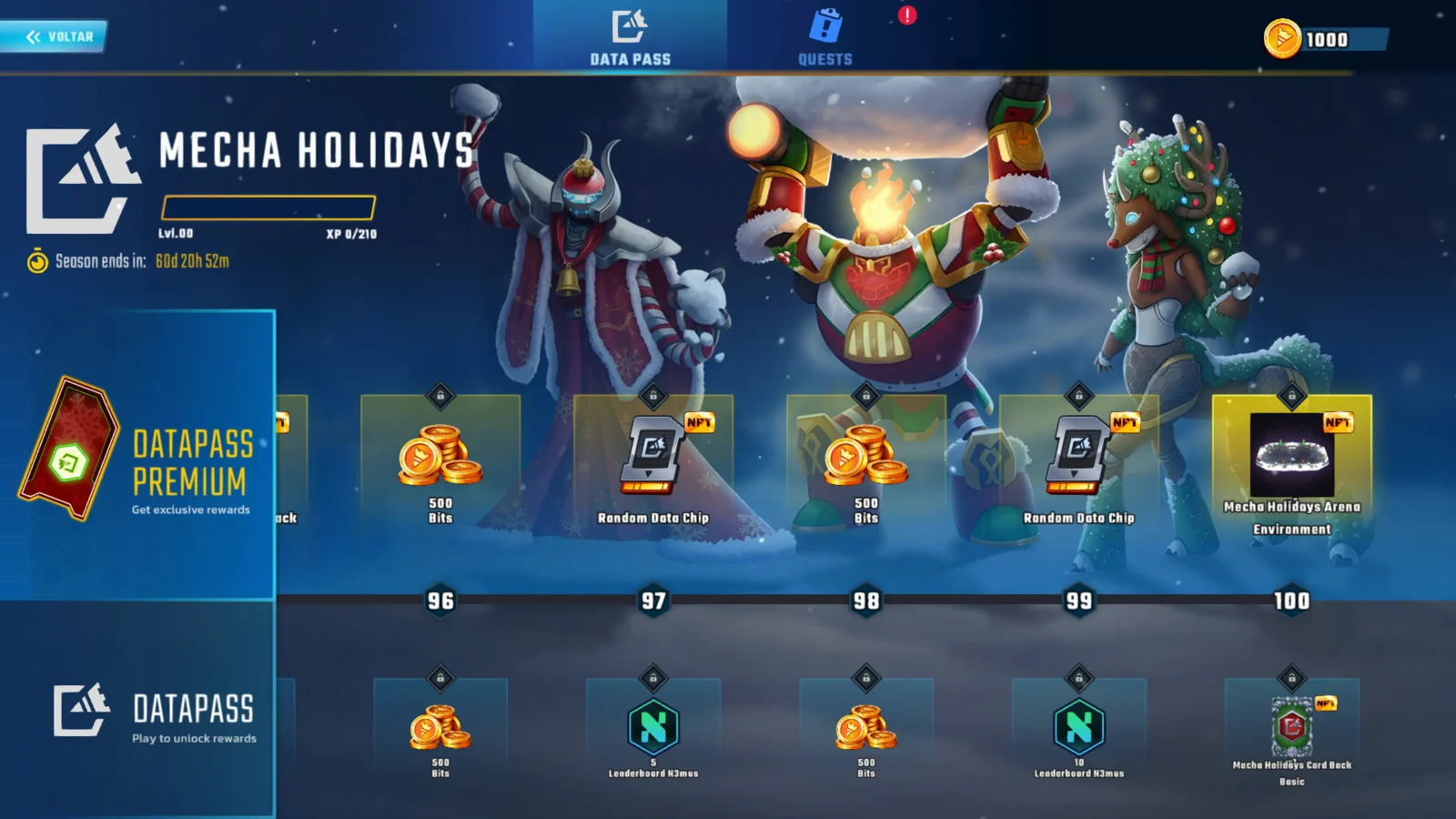
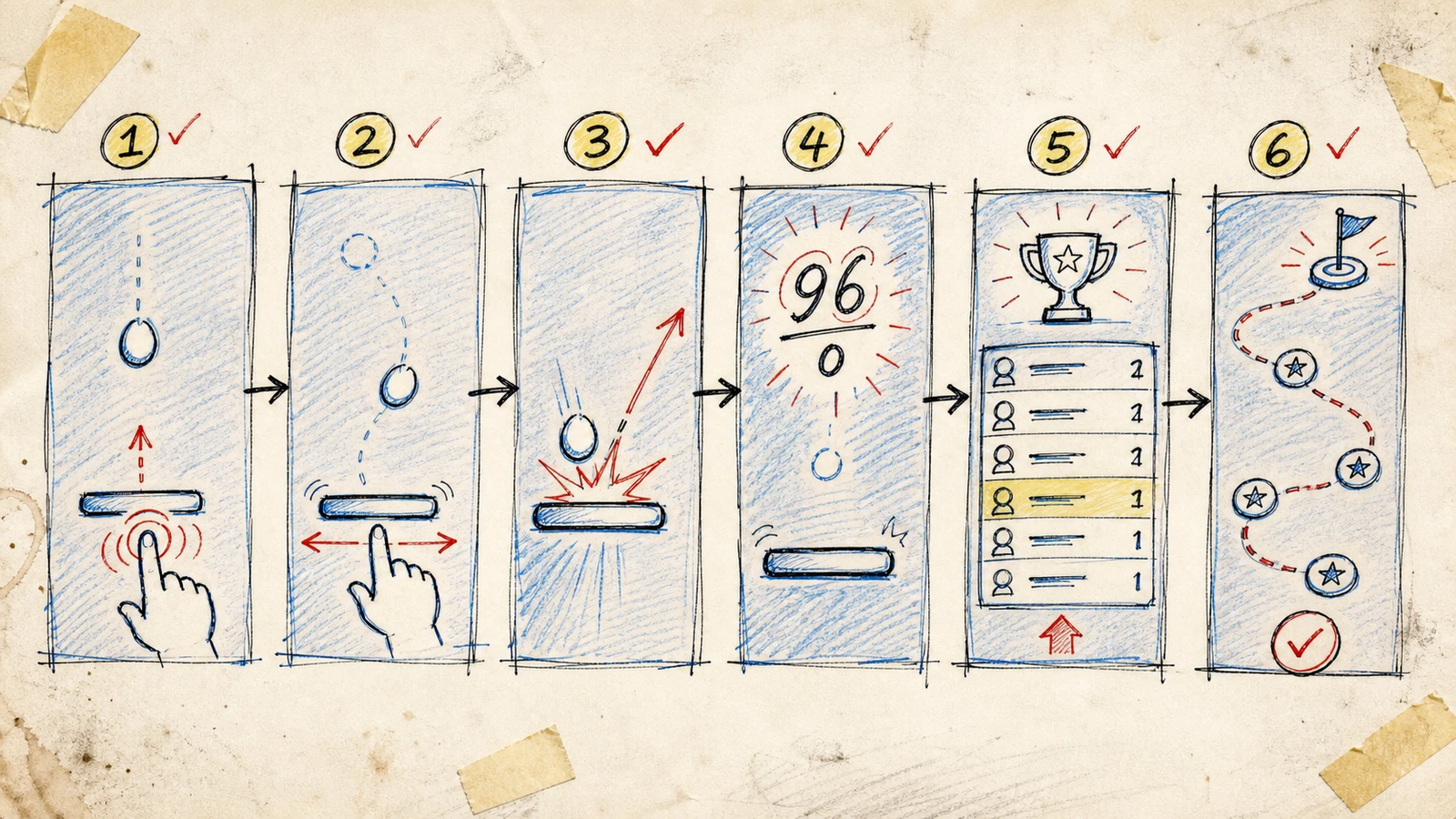
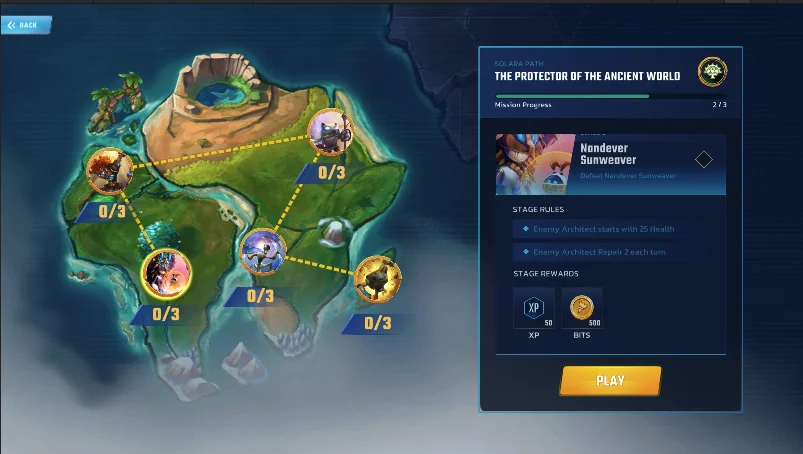
In DATA2073, the same principle appears when matchmaking degrades from a human opponent to a bot. PvP completion begins with an authoritative session between players; the bot path validates a single participant, applies its reward contract and controls daily eligibility. Both converge on the same result-and-delivery resolver. The opponent source changes, but the consequence model remains shared and observable.
That separation also improves local testing. When localhost uses the same state transitions as the connected session, network differences become easier to isolate without duplicating game rules.
Observability is a production feature
Generic logs say that something failed. Useful tools say in which state, for which participant, after which action and under which connection mode.
For connected or autonomous systems, events should use language close to the experience:
- session created, participant admitted or removed;
- intent received, validated, denied or expired;
- previous state and confirmed transition;
- source of a retrieved memory or piece of information;
- wait time and recovery attempt;
- configuration version relevant to the decision.
Visible network indicators in the Triple Z prototype turn this principle into an iteration tool: the team observes connection and match state while playing instead of depending only on later reconstruction.
Design degradation, not only success
External services become unavailable. Packets arrive late. A participant leaves. An autonomous response lacks enough context. Those scenarios should not collapse into one generic error state.
A resilient experience defines what can continue, what must pause and what should be discarded. It also preserves enough information for a safe retry. In interface terms, that means showing state and next action: waiting, reconnecting, working offline, retrieving again or ending the session.
Recovery must respect the same authority as the normal path. Repeating an operation without knowing whether it was confirmed can duplicate a reward, action or record.
Reduce the investigation space
When AI or multiplayer produces strange behavior, the team needs to quickly reduce four possibilities:
- unexpected input;
- stale state;
- incorrect decision;
- delayed or divergent presentation.
Clear boundaries between those stages are more valuable than a larger volume of logs. They turn an open-ended investigation into verifiable questions and let gameplay, backend, UI and QA discuss the same event.
The final goal is not eliminating uncertainty — distributed and autonomous systems will always contain some. It is making uncertainty locatable, explainable and recoverable before it reaches the player as a mystery.